Dent Repair

Glue Pull Technique
Auto Recondition, Dent Repair, Estimating Software, PDR Software, PDR Technique, PDR Tools, Uncategorized

Glue Pull PDR: When to Use It and How to Do It Right

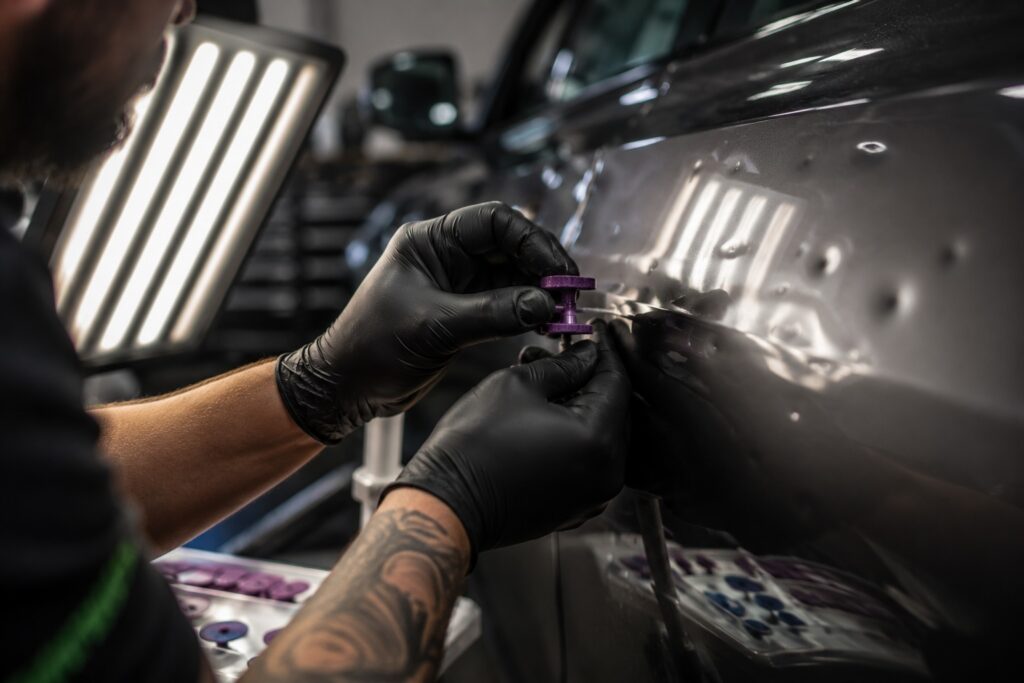
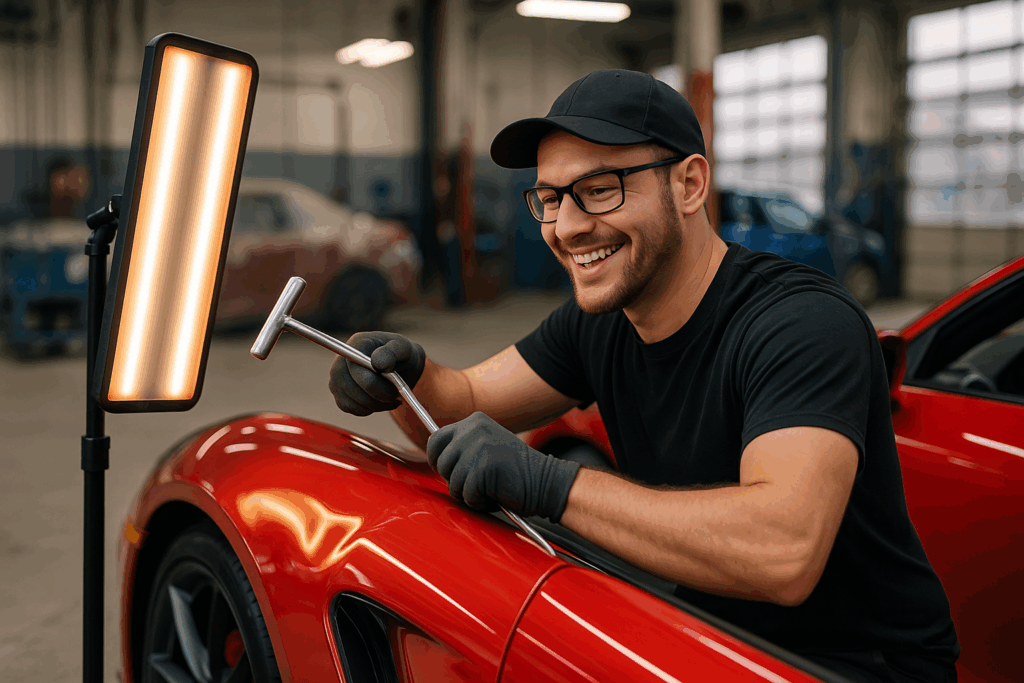
Glue Pull PDR: When to Use It and How to Do It Right Glue pulling has moved from an occasional workaround to a core PDR technique. On panels where rod access is limited, on damage that needs incremental movement, or on surfaces where you can’t risk marring with a tap down — glue is often the right call. But glue pulling done wrong is also one of the faster ways to put witness marks on a panel, burn up shop time re-pulling, or leave damage that’s harder to finish than what you started with. The technique is straightforward in principle. Getting it consistently right under real shop conditions — especially during high-volume hail season — takes a clear understanding of when and how. This guide covers the fundamentals: when glue pulling makes sense, how to set up the pull correctly, temperature and chemistry considerations, and the common mistakes that cost techs time and panels. When to Choose Glue Over a Rod Rods are the primary tool for most PDR work — faster, more direct, and more controllable for most dent types. Glue pulling earns its place in specific situations where rod access isn’t viable or where the approach to the damage dictates it. Limited or No Rod Access This is the most common reason to reach for glue. Sections of a door where internal structure blocks rod paths, areas behind reinforcements on newer vehicle platforms, certain roof damage scenarios near sunroof channels or structural rails — all of these create access problems that glue pulling solves cleanly. Before defaulting to R&I, evaluate whether the panel can be worked from the surface with a proper glue setup. For many common access limitations, glue is faster than the time cost of removal. Incremental Movement on Shallow, Wide Damage Large, shallow hail dents with gentle crowns often respond better to a series of glue pulls than to rod work. You can target specific areas within the dent, apply controlled upward force incrementally, and work the perimeter inward in a way that rod movement doesn’t always allow for from below. Sensitive Surfaces and Finishes Some older vehicles, certain factory finishes, and repainted panels don’t respond well to the contact of tap-down tools. Glue pulling lets you work the metal upward without any surface-side contact during the pull itself, reducing risk of finish damage during the repair process. When a Combination Approach Makes Sense On complex damage, glue and rod often work together — using glue to bring a stubborn high point down from above while a rod addresses the low areas from below. Don’t treat them as either/or tools. The best technicians use both on the same job when the damage calls for it. Setting Up the Pull Correctly The setup is where most glue pull problems originate. A well-applied tab on a well-matched glue formulation with the right tool gives you clean, controlled movement. A shortcut at any step in the setup compounds into wasted time and panel risk. Select the Right Tab Profile Glue tabs come in different profiles — round, star, rectangular, flex — and the right one depends on the dent shape. A small round tab concentrates force in the center of the dent. A larger star tab spreads force more evenly and works better on wider, shallower damage. Matching the tab footprint to the dent shape is the single biggest factor in pull efficiency. Don’t use a tab that’s significantly larger than the dent — the glue will bond to undamaged surrounding metal and you’ll lose control of where the force goes. Clean the Panel Surface Any surface contamination — wax, sealant, dust, fingerprints — reduces adhesion. Clean the repair area with IPA (isopropyl alcohol) immediately before applying glue. Don’t skip this on a busy day. Poor adhesion means you’ll re-pull the same dent while your efficiency numbers suffer. Apply Glue to the Tab, Not the Panel Load the glue onto the tab face, not directly onto the paint. You want consistent coverage across the tab footprint without excess glue that squeezes out to the panel edges and creates additional cleanup. One clean, even application. Set Time and Temperature Press the tab firmly to the panel and hold it — don’t just place it. The glue needs surface contact under pressure to bond properly. Wait for the glue to set appropriately for your formulation and the current ambient temperature. In summer shop conditions, this is typically faster than the glue manufacturer’s standard recommendation, which is usually written for cooler baselines. Temperature and Glue Chemistry: The Part Most Techs Underestimate Glue chemistry changes significantly with temperature, and June through August will expose any mismatch between your glue stick formulation and your shop environment. Hot Shop Temperatures A summer shop interior can easily reach 85-100F on a warm day. Standard or low-temp glue formulations that work fine in spring conditions will release tabs prematurely, give inconsistent adhesion, or fail mid-pull when the shop heats up. Use a high-temp glue stick rated for elevated temperatures. Test on a scrap panel in your actual shop conditions before committing to production work. Panel Surface Temperature A car that’s been sitting in the sun has a panel surface temperature well above the ambient shop temperature — sometimes 150F or higher. When a hot panel hits your bay, the glue formulation that’s right for 85F ambient can behave unpredictably. Let hot panels cool to shop temperature, or use a formulation rated for higher surface temps. Cold Weather Considerations (Off-Season) The opposite problem: in cooler months, standard glue can become brittle and lose pull strength. This guide is focused on summer/hail season use, but it’s worth knowing that glue chemistry management is a year-round consideration in regions with significant temperature variation. Pulling Technique: Speed, Angle, and Control Using a Pulling Bridge A pulling bridge applies force incrementally via a center screw, giving you controlled, adjustable upward pressure. This is the preferred tool for most glue pull work because it keeps the pull angle perpendicular to the

Vhub Shop Image
Dent Repair, Hail Event, Hail Season, PDR Shop

How to Manage a High-Volume Hail Event at Your PDR Shop

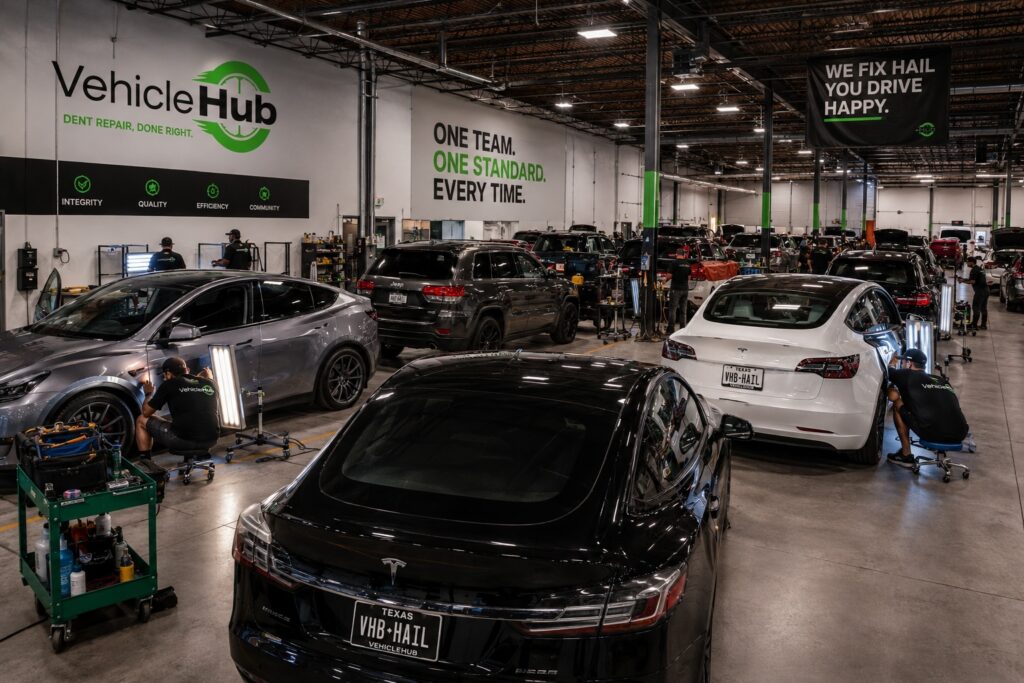
How to Manage a High-Volume Hail Event at Your PDR Shop A couple hundred cars. Three days. One shop. That’s the scenario waiting for PDR shops in hail season, and the difference between a shop that handles it well and one that comes out the other side exhausted, behind on billing, and losing customers to communication breakdowns — isn’t skill level. It’s systems. This guide is a ground-level breakdown of how high-performing PDR shops manage major hail events without losing their minds or their margins. These aren’t theoretical best practices. They’re the actual operational moves that keep throughput high when volume spikes hard. The First 24 Hours Set the Tone The moment you know a significant storm has passed through your market, the clock starts. The shops that come out ahead are already moving before the phones start ringing. Get Eyes on Your Lot and Assess Capacity Before you take a single call or commit to an intake volume, you need to know exactly how many cars your shop can realistically process per day. Not how many you’d like to handle — how many you can actually deliver, fully worked, in a day. Count your functional bays, your available techs, and your typical output per tech on moderate hail. That’s your daily capacity ceiling. Overcommitting in the first 48 hours is how shops end up with angry customers and a backlog that drags into month two. Set Up a Staging Area Outside Your Bays Your bays are for working cars. Everything else — intake, triage, waiting, and finished cars — needs to happen outside the bays. Set up a clearly defined staging area before the first cars arrive. Cars waiting for tech assignment go here. Cars done but waiting for pickup go here. Bays stay clear for production. Triage Every Car Before It Enters a Bay This is non-negotiable for volume events. Every car gets a damage walk-around and a severity classification — quick, moderate, complex — before it ever enters a production bay. This is what keeps your best techs working on jobs that need their skill level, and prevents mismatched assignments from killing your hourly throughput. Role Separation Is What Scales When a shop runs on one person knowing everything, it tops out at what one person can track. High-volume hail events expose this ceiling fast. Designate an Intake Owner One person — and only one — owns customer intake during a hail event. They take the calls, collect info, schedule drop-offs, set expectations on turnaround time, and make sure every incoming car has its information logged before it hits the lot. This person does not work the bays. Their entire job is the front of the pipeline. Designate a Floor Coordinator This is the person who knows where every car is at every moment. They move cars from staging to bays, assign jobs to techs, field questions from techs mid-job, and make sure finished cars go back to staging and not back into the production flow. In smaller shops, this might be the owner. In larger ones, it needs to be a dedicated role during peak events. Let the Techs Tech Your skilled PDR technicians should be spending the maximum possible time with tools in hand. Every minute they spend walking across the shop to find paperwork, talk to a customer, or wait to find out their next job is lost production. The roles above exist specifically to protect tech time. One Source of Truth for Job Status The single most common operational failure during high-volume hail events is a lack of shared, real-time job status visibility. When different people in the shop have different answers to the question ‘where’s that silver Camry?’ — you have a problem. Pick One System and Use It Consistently It doesn’t matter whether it’s a whiteboard with magnets, a shared spreadsheet, or a shop management app — pick one system and make it the only system. No parallel paper lists. No mental tracking. The system is the authority. Vehicle Hub is built specifically for this use case. The app lets your intake person log a vehicle and its info at check-in, your floor coordinator track job status in real time, and your front desk send invoices without having to chase down completion info. Everyone on the same page without a single phone call. Update Status at Every Stage Gate Define the stage gates in your process — checked in, triaged, assigned, in progress, complete, delivered, invoiced — and make it a requirement that status gets updated at each one. If a car is sitting and nobody knows why, that’s a visibility failure, not a people failure. Build the update habit into the workflow, not as an afterthought. Communication With Customers During a Hail Event Hail events spike customer anxiety. People don’t know how bad their car is, they don’t know when they’ll get it back, and they’re worried about insurance. The shops that handle this well set expectations explicitly at intake and then follow up proactively — they don’t wait for the customer to call. Set a realistic completion window at check-in, give a specific follow-up date (not ‘we’ll call you’), and hit that follow-up whether or not the car is done. A quick update call even when there’s nothing new to report does more for customer retention than a perfect job with no communication. With Vehicle Hub, you can log customer contact info and job notes at intake, so follow-up doesn’t depend on whoever took the original call remembering the details. After the Event: The Debrief That Pays for Itself When the last car goes out and the lot is clear, the most valuable thing a shop owner can do is a structured debrief before the details fade. What did daily throughput actually look like vs. your capacity estimate? Where did jobs stall? Which role had the most bottlenecks? What customer complaints came up and why? Which vehicles or damage types took longer than expected? The answers to these

Toosl and Vhub App
Auto Recondition, Dent Repair, Estimating Software, Hail Season, PDR Software, PDR Tools

Best PDR Tools and Dent Lights for Hail Season 2026

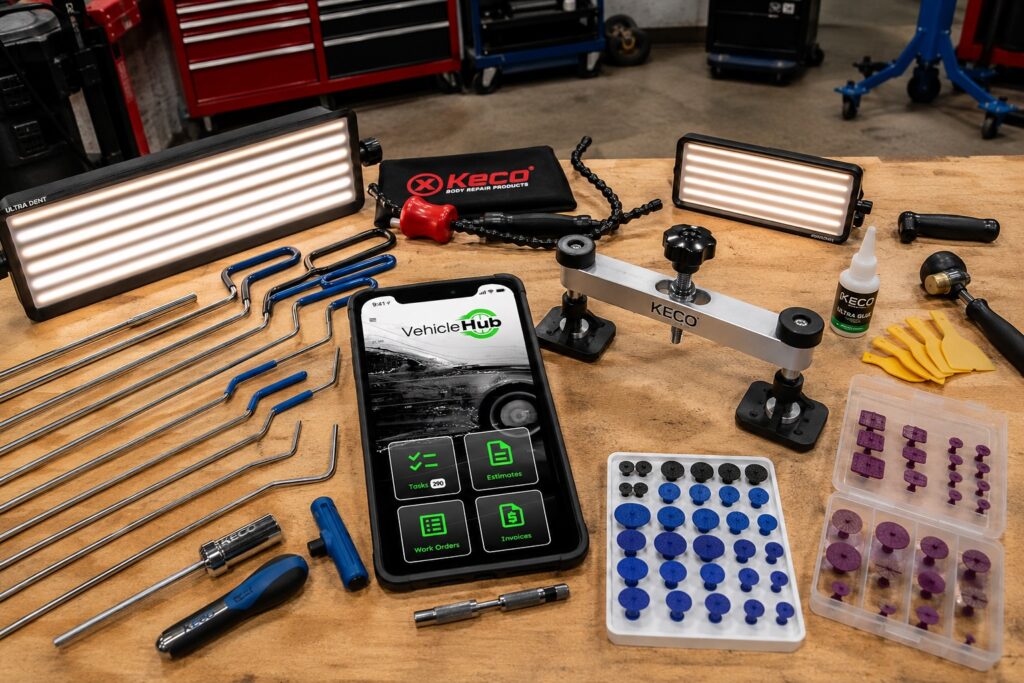
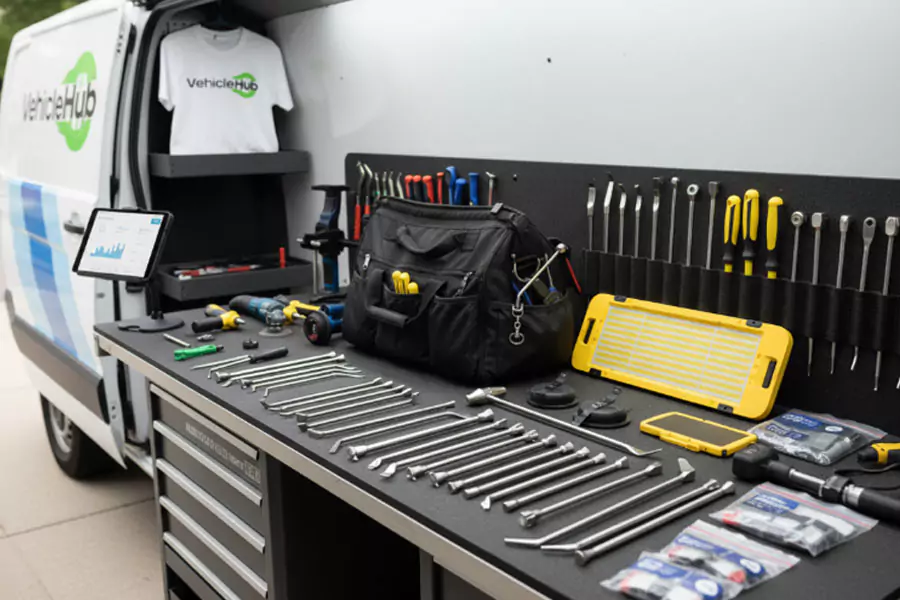
Best PDR Tools and Dent Lights for Hail Season 2026 Intro Hail season doesn’t care if your gear is ready. When a storm rolls through and 200 cars show up in your lot over three days, you’ll find out fast which tools hold up and which ones slow you down. This isn’t a listicle for hobbyists. This is a breakdown of the PDR equipment that serious technicians and shop operators are running this season — dent lights that give you an honest read on damage, rod sets that cover the common access points, and glue systems that don’t fight you on cold panels. If you’re gearing up for peak season or evaluating what to add before the next storm, this is the guide. Why Equipment Quality Actually Matters at Scale A single tech working a handful of cars a week can get by with mid-grade tools. A shop running 50+ hail jobs a week will expose every weakness in your equipment lineup. Poor dent lighting means techs are chasing shadows, misjudging depth and crown, and leaving work on the panel that a customer’s gonna find at pickup. A cheap light that works fine in a controlled environment becomes a liability under fluorescents with bad panel angles. Rod sets with limited reach mean techs are spending time on R&I (remove and install) for panels they should be able to access without it. That’s billable time going to setup instead of output. And glue systems — if the formulation isn’t matched to the temperature and panel type, you’re fighting the pull all day. Good glue chemistry isn’t optional in peak season; it’s the difference between clean work and regluing the same dent three times. PDR Dent Lights: What to Look For LED Line Boards The industry standard for most hail work. LED line boards give you tight, consistent reflection across flat and curved panels, making it easy to read damage size, depth, and whether you’ve moved metal. Adjustable arm mounts and stand heights are non-negotiable in a hail shop — you need flexibility between hoods, roofs, and door panels. What matters: uniform LED spacing (no hot spots), color temperature around 5000-6500K for accurate surface reading, and a housing that can take daily abuse on the shop floor. Specialty Lights for Crowns and Edges Line boards don’t tell you everything on high-crown panels or near body lines. Technicians working complex hail damage routinely keep a smaller, more directional light — often a snake light or a compact board — for reading the tension near raised edges and body character lines where a full board can create misleading reflections. Overhead Fluorescent Setups Some shops set up fixed fluorescent bar arrays overhead for initial triage — letting you walk a row of cars and quickly sort minor, moderate, and severe damage before assigning jobs. It’s not a substitute for proper dent lighting at the bay, but it speeds up the intake process significantly on high-volume days. PDR Rod Sets: Coverage Is Everything Hail damage shows up everywhere — roofs, hoods, deck lids, door panels, quarter panels, pillars. A rod set that doesn’t cover your common access points means techs are improvising or doing R&I they shouldn’t need to. Standard Steel Rods Every shop needs a solid core set of standard steel rods covering the common lengths and tip profiles for door panels, hood structures, and deck lids. Look for rods with good flex-to-stiffness ratios — too stiff and you’ll overshoot movement on thin modern steel; too flexible and you lose control on deep dents. Interchangeable Tip Systems For hail work specifically, interchangeable tip rods let technicians adapt quickly between flat-tip tapping work and hook profiles for under-panel access without switching to a completely different rod. It sounds like a small thing until you’re watching a tech spend three minutes swapping tools between every dent on a busy roof. Aluminum and Micro Rods Tight access areas on newer vehicle platforms — behind door reinforcements, inside pillar assemblies, around sunroof channels — often require micro rods and aluminum alternatives that flex into confined paths. As modern vehicles pack more structure into panels, rod coverage matters more, not less. Glue Pull Systems: Match Chemistry to Conditions Glue pulling has become a standard part of the hail toolkit, not a fallback. For panels where rod access is limited, or for working damage incrementally on sensitive surfaces, a reliable glue system is essential. Temperature-Rated Glue Sticks This is where shops run into problems. Using low-temp glue on a hot panel in June is going to cost you — tabs release too early, you lose your pull, and you risk marring the panel on release. Use glue formulations matched to your shop temperature and the panel surface temperature. This matters more in summer than any other time of year. Tab Systems and Pull Bridges Quality glue tabs (round, star, and flex profiles for different dent shapes) combined with a well-engineered pull bridge or slide hammer give you consistent, controlled pulls. Cheap tabs that don’t conform properly to the panel surface reduce pull efficiency and increase your chance of leaving witness marks. Managing Your Equipment in a High-Volume Shop Having the right tools matters. Having a system for tracking them matters just as much. In busy hail shops, tools walk. Rods end up in the wrong bay. Glue guns need refills nobody tracks. Lights get moved and not returned. The tech who shows up first gets the good setup; the one after lunch works with what’s left. Shops that manage this well assign equipment by bay and hold bays accountable. They do quick equipment checks at shift start. And they track their tool inventory the same way they track their job inventory — systematically, not from memory. Vehicle Hub’s work order system lets you tie equipment needs and notes directly to jobs, so you’re not running across the shop to figure out what’s assigned where. It’s a small thing that adds up across a 200-car hail week. Conclusion: Invest in Your

DRP IMage
Auto Recondition, Dent Repair, Insurance DRP, PDR Software, Recon Tech

Insurance DRP Guide for PDR Shops in 2026

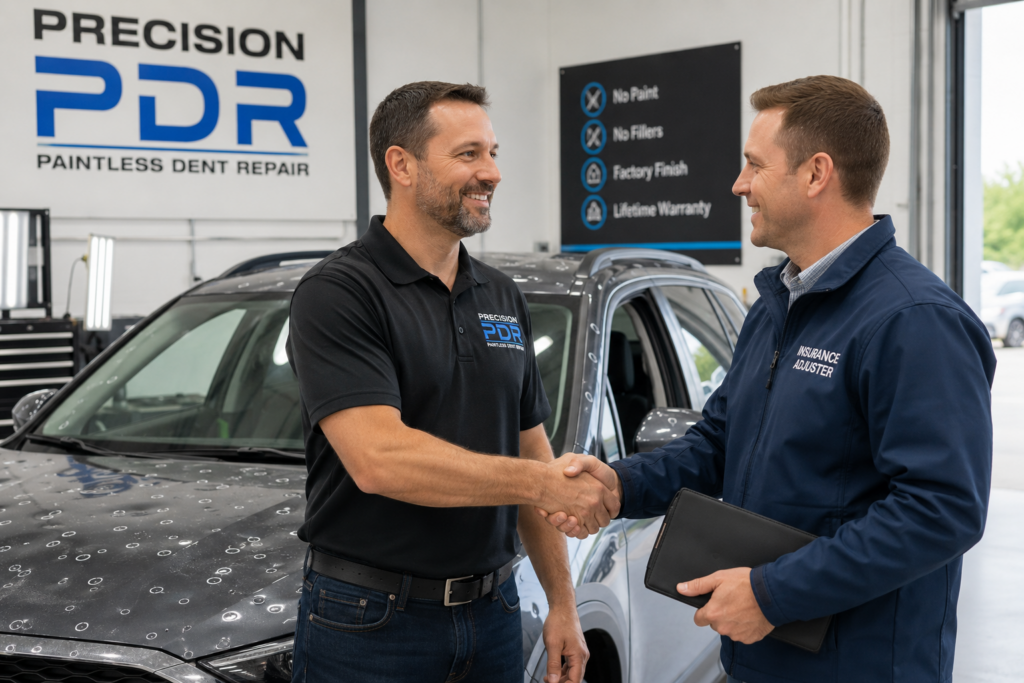
Insurance DRP Guide for PDR Shops in 2026 Insurance DRP Guide for PDR Shops: How to Build Referral Relationships That Drive Revenue For PDR shop owners looking to grow beyond organic traffic and word-of-mouth, Direct Repair Program (DRP) relationships with insurance carriers represent one of the most consistent volume drivers available — especially during hail season. This guide covers what DRP relationships are, how to get on carrier preferred vendor lists, what carriers expect from participating shops, and how to position your operation to win and keep those referrals. What Is a DRP Relationship and Why Does It Matter for PDR Shops? A Direct Repair Program is an arrangement between an insurance carrier and a repair shop where the carrier agrees to route vehicle damage claims directly to that shop without requiring the customer to shop around for their own repair facility. In exchange, the shop agrees to meet carrier standards for quality, documentation, response time, and pricing. For PDR shops, DRP relationships are particularly valuable during hail events. When a storm causes widespread damage, the carrier receives hundreds of claims simultaneously. Shops on the preferred vendor list get routed referrals immediately. Shops not on the list compete only for the customers who choose to come in on their own — a fraction of the potential market. In practical terms: a PDR shop with two strong DRP relationships in an active hail market can see 30-50% of their storm-season volume come through carrier referrals. That’s leads with no marketing cost attached. How DRP Credentialing Works The credentialing process varies by carrier but generally follows a similar path. Plan for 60-90 days from initial contact to active referral status. For shops targeting summer hail season, that means starting outreach in April or May. Typical credentialing steps: Initial contact with the carrier’s vendor relations or network development team. Most major carriers have a shop network page or regional contact on their website. Application submission. Carriers typically request proof of business license, garage liability insurance at specified coverage levels, technician certifications (I-CAR and manufacturer certifications are common requirements), and shop facility information. Site inspection. Many carriers send a field auditor to verify facility condition, equipment, and operational standards. Documentation and process review. Carriers want to see your estimate process, quality control procedure, and customer communication workflow. Agreement execution. You’ll sign a participating shop agreement outlining pricing caps, turnaround time commitments, and quality warranty expectations. Activation. Once credentialed, your shop appears in the carrier’s preferred vendor network and begins receiving routed referrals. What Carriers Look For in a PDR Shop Insurance carriers are making a brand trust decision when they add a shop to their DRP network. Their customers will experience your shop as an extension of the carrier’s service — so they’re evaluating your operation on multiple dimensions. Quality and consistency: Carriers want shops with a documented quality process, not just good techs. Before/after photo documentation, a defined inspection protocol, and a clear warranty policy all signal that your quality is repeatable, not just occasionally good. Estimate accuracy and speed: Carriers evaluate how quickly shops deliver estimates and how accurate those estimates prove to be versus actual repair costs. Shops that consistently deliver same-day estimates and close to their initial quote build strong carrier relationships. Professional documentation: An estimate produced on a professional platform with consistent formatting, line-item detail, and clean customer information is significantly easier for a carrier to process than a handwritten or improvised quote. Vehicle Hub’s estimate tools produce carrier-ready documentation as a natural output of your normal workflow. Customer communication: Carriers receive satisfaction feedback from customers they route to preferred shops. Poor customer communication at a DRP shop reflects on the carrier. Shops that proactively communicate status updates, deliver vehicles on time, and handle complaints professionally stay on preferred lists. Which Carriers to Target First Start with the carriers that represent the highest claim volume in your market. For hail-prone regions, State Farm, USAA, Allstate, and Farmers are typically the highest-volume carriers for hail damage claims. GEICO and Progressive have also significantly expanded their PDR shop networks in recent years. Regional carriers can also be valuable DRP partners — particularly because they often have less competition from large MSOs (Multi-Shop Operators) for preferred vendor status, and the relationship with a regional carrier can be more direct and collaborative. A practical starting point: look at the insurance companies appearing most frequently on the customers currently coming through your door. Those are the carriers with the most customers in your market — and the DRP relationship with the most immediate referral potential. Maintaining DRP Status: What Keeps Shops on the List Getting credentialed is the first step. Keeping preferred status — and getting continued high-volume referrals — requires consistent performance against the metrics the carrier monitors. Key metrics typically tracked by carriers: Customer satisfaction scores (from post-repair surveys sent by the carrier) Estimate-to-invoice variance (how close your final invoice is to the original estimate) Cycle time (days from drop-off to completed repair and customer pickup) Re-repair rate (how often vehicles come back with quality issues) Response time to new referrals (how quickly your shop contacts a routed customer) Shops that track these numbers internally — not just waiting for carrier feedback — maintain better performance and avoid surprises during carrier audits. Vehicle Hub’s job tracking and reporting features give shop owners visibility into these metrics as a byproduct of normal operations. The Right Time to Start Is Now The PDR shops that have strong DRP relationships during hail season didn’t build those relationships during hail season. They built them in spring — when the phone wasn’t ringing, when they had time to complete the credentialing process without distractions, and when they could make a strong first impression on a carrier rep who wasn’t fielding 200 storm claims simultaneously. If you haven’t started carrier outreach yet, this week is the right time. FAQ How long does it take to get credentialed with an insurance carrier DRP? Most carriers take 60-90 days

Glue Pull Technique
Dent Repair

Is It Worth Fixing Hail Damage on a Car? A Quick Repair Guide

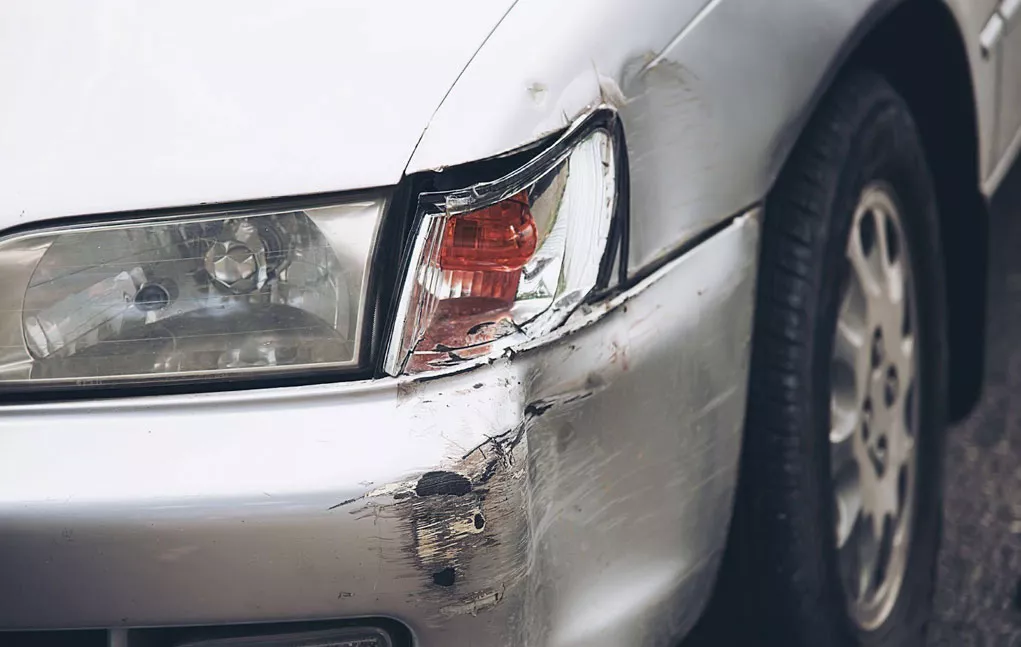
Hailstorms create sudden dents, cracks, and surface impacts that leave many car owners searching for the best car repair hail damage solutions. These dents may look minor, yet they lower your vehicle’s value and compromise its appearance. Many drivers start researching fixing hail damage on car methods, the expected results, and the cost of fixing hail damage. This detailed guide explains why repairing hail damage is essential and how the contemporary approach delivers quick, clean, and professional results. Is Car Hail Damage Worth Repairing? Definitely, it is worth fixing the hail damage on a vehicle. Minor dents diminish resale value. When you ignore car repair hail damage, the metal can weaken, and paint may crack over time. Moreover, insurance companies often cover fixing hail damage on cars, making the process far more affordable than most drivers expect. Another reason it is worth it is the long-term look of the vehicle. A clean exterior builds confidence and maintains curb appeal. Leaving dents untreated leads to corrosion later. Therefore, getting proper car repair hail damage helps preserve your investment. How is hail damage repaired on a car?  Various techniques are used by professional technicians to repair hail-damaged cars, depending on the extent and severity of the dents. The most popular one is Paintless Dent Repair (PDR). This technique uses high pressure to push the dents out of the panel. It does not remove the original paint, but restores the metal. More serious dents can be reshaped or refinished using a panel. This type of car hail damage repair involves sanding, repainting, or panel replacement. The first step for technicians is to check the car, assess all dents, and select a repair method that provides smooth, long-lasting results. Hail damage on vehicles has never been assessed more quickly or accurately with the advanced tools. VehicleHub provides the leading-edge technology for professional reconditioning teams. Our solutions help experts deliver flawless fixing hail damage on car results with accuracy and speed. Understanding the Full Process of Hail Damage Assessment Before any technician begins fixing hail damage on the car, they perform a detailed inspection. The car is placed under specialized lighting that exposes even micro dents. This light helps identify hidden spots that normal daylight cannot reveal. A complete evaluation prevents missed dents, ensuring that car repair hail damage work is thorough. This step will also be used to estimate the final cost of hail damage repairs, based on the number of dents, the type of metal used, and which parts of the vehicle need repair. Why Professional Hail Repair Matters? Many car owners search online for DIY methods. However, attempting to repair car hail damage yourself can make dents worse. Pushing on the metal incorrectly stretches the panel. Using hot water, suction cups, or heat guns can damage paint layers. Professionals use calibrated tools that guarantee clean, safe repair of hail damage to cars. More importantly, technicians trained in car repair hail damage understand metal memory and know how to restore structural form without cracking the paint. This expertise prevents bigger problems later and ensures a smooth finish. Benefits of Choosing Modern Paintless Dent Repair PDR has become the leading choice for hail-damage car repair for several reasons. First, it keeps the original paint intact. Second, it is faster than traditional repairs. Third, it offers an affordable cost to fix hail damage by eliminating repainting and long workshop hours. When customers choose PDR for fixing hail damage on cars, they enjoy a seamless restoration. It also preserves resale value because factory paint remains untouched. Many insurance companies now recommend PDR as the preferred method for repairing hail-damaged cars. How Long Does Hail Damage Repair Take?  Most car repair hail damage jobs take between a few hours and a couple of days. The timeline depends on the dent count. Minor dents from light hail allow quicker repair of hail damage on the car. Severe storms with thousands of dents across the hood, roof, trunk, and doors need more time. Still, modern tools have significantly reduced the duration. Skilled professionals now complete car hail-damage repairs efficiently while maintaining quality. Choosing the Right Service Provider When selecting a technician, look for certified hail repair specialists. They should provide clear explanations, digital inspections, and structured repair plans. A reliable team guides you through insurance documentation and explains the best options for fixing hail damage on a car. Hail dents may feel overwhelming, but with modern repair methods, restoring your vehicle is easy. Whether you need minor PDR work or full refinishing, understanding car repair hail damage helps you make the best decision. Repairing dents early prevents long-term issues and preserves value. The right technician will provide clean and precise fixing hail damage on car service while managing the cost of fixing hail damage on the car efficiently. For industry-leading tools and solutions trusted by professionals nationwide, choose VehicleHub.

dent repair cost estimator
Dent Repair

What Affects the Average Paintless Dent Repair Cost? A Complete Breakdown

When your vehicle suffers a dent or ding, you might be surprised at how much the repair cost varies. Paintless Dent Repair (PDR) has proven to be one of the most effective and the least expensive methods of repairing these dents, yet it is a subject of concern to many drivers to know what determines the average paintless dent repair cost. The reality is that the final bill depends on several factors, such as the size and depth of the dent, the type of metal, and the area of the damage. In this complete breakdown, we will see what influence the average cost of paintless dent repair has, why it changes in one case to another, and how you can guarantee that you are getting the best value for your repair. 1. The Size of the Dent The size of the dent is among the most essential things that can be used to define the average cost of paintless dent repair. More minor dents, which are a result of hail or minor collisions, are usually cheaper to repair, but bigger dents need more time and experience. For an example, a small dent that fits on a dime could attract a cost of between 50 and 100 dollars, and a bigger dent the size of a golf ball could cost 150-300 dollars. Significant damage that encompasses numerous panels is even more expensive, as it can cost $500 or more. The bigger the dent, the more complicated the procedure is because technicians have to replace the panel carefully so that they do not ruin the paint. 2. The Depth and Location of the Damage Not every dent is equally formed. A shallow dent is easier and faster to fix compared to one that’s deep or located on a structural body line. These types of dents are hard to fix since access to tools is restricted, and they are located around edges, creases, or contours. In case your dent is on the roof, door, or hood, then it is usually easier to access. Nevertheless, dents on the quarter panel or near the window frame may need more work, which may raise the average price of the paintless dent repair. There is a key factor of accessibility since the technicians may have to detach interior panels or trim to access the damaged part appropriately. 3.The nature of Vehicle and Material The car model and make also influence the average cost of repairing the dent paintlessly. Cars that have aluminum or high-strength steel panels are also expensive to fix, like luxury cars. Aluminum is less pliable and difficult to re-form and therefore demands special tools and additional accuracy. Unlike this, cars manufactured using ordinary steel are usually cheaper to repair. Also, in case your vehicle is covered with many layers of paint protection or a ceramic coating, then technicians must be more cautious when handling it without ruining the covering, which may also increase the price. 4. Count of Dents or Hail Damages  When you have several dents on your car, the overall cost of repair will rise, yet the average price of the paintless dent repair could decline. Most PDR experts will give discounted prices when there are several dents or hail damage since they are able to do more than one thing at the same time. An example may be that a single dent may cost $100 to repair, whereas 10 minor hail dents may cost $400 to $500 to repair, a better bargain in this case. In case a hailstorm hits your car, it is worth having an estimate of the package instead of paying per dent. 5. Technician Competence and Experience The skills of the PDR technician are also critical to the ultimate price. The expenses of professionals with years of experience working with complicated dents could be more expensive, but the outcome can be better. A quality workforce consists of skilled technicians who apply special tools and hi-tech techniques to make sure that the job is completed and that the paint of your vehicle is not ruined. Such hi-tech reconditioning professionals come in at this point. By ensuring quality work and precise estimating, they can provide quality work by employing qualified reconditioning technicians and sophisticated equipment to recondition the car without altering its original appearance and value. This is because of their technology-based solution, which enables customers to learn about and manage the average cost of repairing paintless dents before any work is done. 6. Condition and Accessibility of Paint When the paint that surrounds the dent is chipped, cracked, or strained, then normal PDR may not be an option. Then the technician can be forced to use a combination of conventional body repair and PDR, which adds to the overall cost. In addition to this, when interior panels, tail lights, or liners should be removed to enable improved access, labor costs will contribute to the average price of paintless dent repair. Although PDR continues to be cheaper than full bodywork, these additional measures might increase the price. 7. Pricing Differences Regions The average cost of paintless dent repair is also influenced by location, just like any other service. There is a general tendency for higher prices in urban locations with high living standards or in regions that have a low supply of skilled technicians. On the other hand, small towns or areas that have competitive repair markets may be lower priced. It is a good practice to have more than one quote from reputable repair shops in your location. Nevertheless, do not necessarily buy the cheapest one, but the artistry should be prioritized. 8. Insurance Confidence and Deductibles If the dents on your car have been caused by hail or minor accidents, your auto insurance would cover the repairs. Nevertheless, it will depend on your deductibles on the amount you pay out of pocket. Other insurance companies actually partner with PDR service facilities, so they can make your claims easier and reduce the overall costs of repairing your

Mobile Paintless Dent Repair App
Dent Repair

Why Every Auto Tech Needs a Mobile Paintless Dent Repair App?

In the fast-evolving automotive reconditioning industry, time and precision are everything. Technicians are nowadays multitaskers, not only putting on the dents and dings, but also handling clients, estimates, and payments. That is where Mobile Paintless Dent Repair technology comes in. A well-designed Mobile Paintless Dent Repair app empowers auto techs to work smarter, not harder. It simplifies the entire process of repair and saves time on paperwork, as well as increases professionalism, all in the palm of your hand. The Evolution of Paintless Dent Repair   Paintless Dent Repair (PDR) is now a popular technique of repairing the body of a vehicle without the need to repaint it. It is more time-saving, economical, and does not alter the original finish of the car. Nevertheless, the conventional PDR processes are characterized by an estimate sheet with a handwritten note and billing delays. These old-fashioned ways are a waste of time and are erroneous. Mobile Paintless Dent Repair App is a full-scale digital reconditioning tool that will support reconditioning experts in the present time. Websites such as VehicleHub have transformed the way auto technicians conduct business. Using this modern technology, the entire repair process, from estimate to payment, is done online and effectively. What Is a Mobile Paintless Dent Repair App? A Mobile Paintless Dent Repair application is a smartphone and tablet software application. It assists technicians in coming up with the correct estimates, customer information, photographing damages, and taking payments under one roof. Through cloud-based access, auto techs are able to be connected anytime they are in a dealership, an auction, or when at the location of a customer. The car paintless dent repair application by VehicleHub is more than just convenient. It incorporates the latest technology, including: Dent and Hail Matrix Estimation Software: This is an automatic process that creates the correct repair cost. VIN Decoding/Vehicle Data Lookup: Finds the vehicle information quickly to get accurate quotes. Photo Capture & Damage Markup: Trace the dents on the documents before and after repair. Workflow / Job Tracking: Process and handle various jobs. Electronic Signatures and Payments: Customer authorization and payments will be realized immediately. This is a one-stop solution, which simplifies professional, transparent, and efficient service delivery by technicians, each and every time. Why Every Auto Tech Should Embrace Mobile PDR Technology? Freedom to Work Anywhere Mobility is essential in the reconditioning business. A Mobile Paintless Dent Repair application enables technicians to work wherever they are without the need to be presented in the office. Your whole company is on the road, either you are filling in dents on the dealership lot or working on a hail-damaged car in the home of a customer. Faster Estimates, Quicker Payments Paperwork has a way of slowing down service and payment. Using an application such as VehicleHub, technicians are able to generate precise digital calculations, transmit them in real-time, and make invoices in a few minutes. Customers are in a position to approve and make payments online, making the experience smooth and professional. Faultless Workflow Management Paper-based record-keeping may result in jobs being overlooked or recorded twice. A Mobile Paintless Dent Repair application will remove such problems because everything will be arranged in a single dashboard. You are able to follow every repair and fix the repairs and make sure nothing goes through the cracks. Professional Image & Customer Trust  Digital convenience and transparency are the expectations of clients. On-the-spot estimates, taking before-and-after pictures, and giving digital signatures enhance your credibility. Another way of standing out as a technologically advanced and modern professional is by using an app to do paintless dent repair, such as VehicleHub. Better Team Coordination  The app allows real-time cooperation of shops that have a number of technicians or stores. Managers will be able to allocate work and track its progress, as well as make sure that all repairs are of the same quality. Such a degree of control assists teams in providing quicker turnaround time and satisfied customers. Who Benefits from a Mobile Paintless Dent Repair App? The Mobile Paintless Dent Repair app of VehicleHub is ideal for: PDR technicians work independently. Hail and storm repair experts. Fleet and dealership managers. Mobile recon operators PDR shops and stores in the body-shop industry. Automobile reconditioning and detailing crews. Whatever the business size, the app will make its operations past the hurdle, more accurate, and profitable. How VehicleHub Redefines Mobile PDR Efficiency? VehicleHub has established a reputation as a reliable supplier of reconditioning professionals. Its Mobile Paintless Dent Repair app is not merely an application; it is a complete system to operate a contemporary auto repair enterprise. All the features, such as emailing, customer invoicing, payment processing and year-end reconciling are created to save time and earn more money. The interface of the app is user-friendly, and therefore, non-tech-savvy professionals can adapt quickly. In the meantime, in-house automation helps to minimize mistakes and decrease human labor. It translates to having time to do what is most important, which is to provide high-quality dent repairs and business development. The Future of Reconditioning Goes Digital The automotive service sector is moving to a digital-first industry. With the increasing competition, the use of Mobile Paintless Dent Repair as an app is no longer a choice, but a necessity. When professionals adopt this technology, they have an advantage because of enhanced efficiency, communication, and customer satisfaction. VehicleHub keeps being on the frontline of this change with its AI-based utilities and real-time data integration. It is not just an application but a smarter experience to operate your recon business. VehicleHub provides the best Mobile Paintless Dent Repair solution currently present in the market to reconditioning professionals who are prepared to go a step further. Going digital will give you the freedom, control, and efficiency you need. The Mobile Paintless Dent Repair App will enable your business to take off quicker, smarter, and more profitably than ever with VehicleHub.

Hail or Dent Repair Estimate
Dent Repair

How to Get an Accurate Online Hail or Dent Repair Estimate in Minutes?

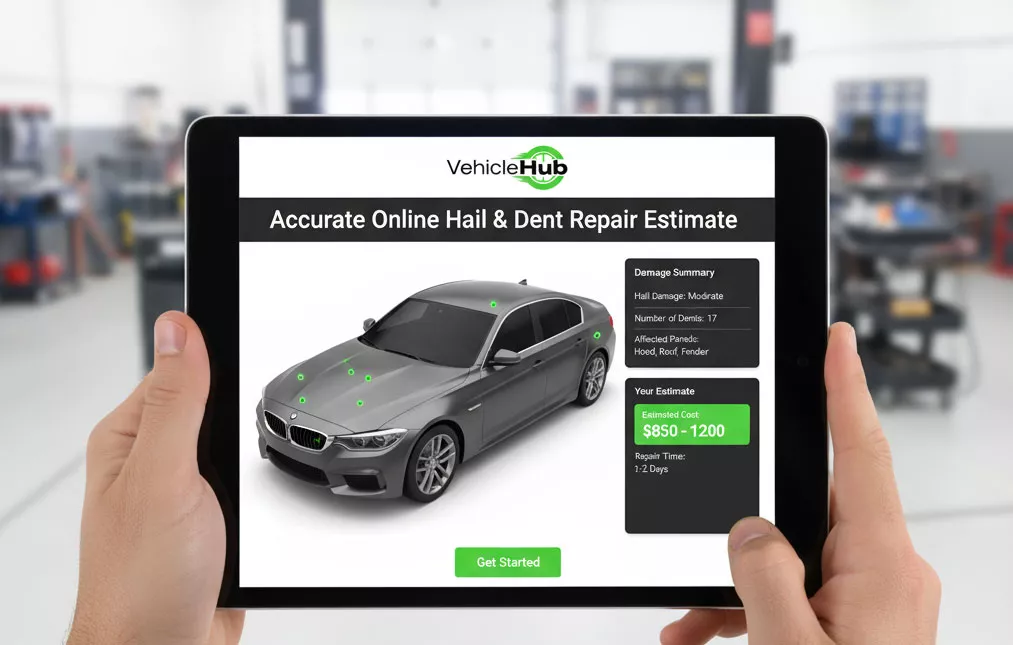
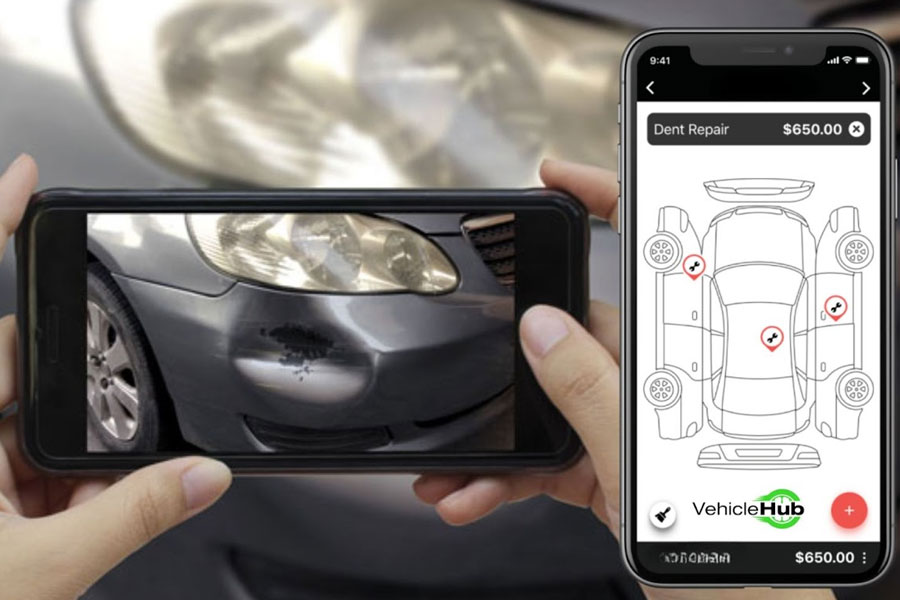
In today’s busy world, time is money, and you need fast, precise, and transparent repair estimates, when your vehicle suffers dents or dings. Whether you’re a paintless dent repair (PDR) technician, an auto body shop, or simply someone managing a fleet, guessing repair costs can cause confusion, delay, and lost business. That is where the modern online dent repair estimates come in. They remove the art in pricing by integrating artificial intelligence (AI), dent and hail repair calculators, data analytics, and intelligent automation to create near-instant and accurate cost calculations. The Power Behind Hail & Dent Repair Cost Estimators  An online hail/dent repair cost estimator is an ingenious computerized application that assists reconditioning experts in developing accurate cost estimates to repair dents, dings, creases, and hail damage. These computer applications have developed well past simple calculators. They are now able to examine various aspects like the size of the dent, the depth of the dent, the condition of the paint, and the type of panel, and provide the correct quotes in minutes. What makes this technology game-changing is that it simplifies the overall workflow. A couple of clicks and pictures would now do the work of hours of inspecting a vehicle manually. To the businesses, this results in shorter turnaround time, more stable prices, and customer satisfaction. VehicleHub’s Smart Solution VehicleHub takes this concept a step further by merging AI technology with real-time data and intuitive design. The output is a highly advanced online hail/dent repair cost estimator is available today. With the hail/dent repair cost estimator, you can: Enter vehicle information such as make, model, and year for precision-based pricing.. Take a photo and scan it using AI that will recognize the place, the size, and the depth of a dent. Get the cost of paint and online hail/dent repair estimate in real time, depending on size, location, and complexity. Customise labor, parts, and material estimates to suit your business Estimate your brands and send them in real time to your customers or partners. Such automation not only saves time but also enhances professionalism. A custom-branded estimate within minutes makes it easy to impress the clients and seal deals. Why Accuracy Matters in hail/Dent Repair Estimates? Trust in any reconditioning business is based on accurate cost estimation. In overestimating, you are scaring away potential customers, whereas underestimating is damaging your profitability. This is resolved by using AI-powered online dent repair estimates that eliminate human bias and error. They compute the costs with accurate points of data and uniform algorithms; every job is priced reasonably and competitively. Also, these tools are based on real-time market data. It means that your online hail/dent repair estimates are based on current labor rates, part prices, and material costs- they make you competitive and up to date. Who Can Benefit from an AI-Based Estimator?   The vehiclehub hail/dent repair cost estimator is offered in a broad spectrum of car repair professionals, such as: Paintless Dent Repair (PDR) Technicians: Automate the quoting and emphasize repairs. Auto Body Shops and Collision Centers: Make it easy to estimate multiple vehicles or hail damage. Dealership Recon Departments: Quicken trade-in, resale preparation. Mobile Recon Professionals: Create real-time quotes at the customer facility. Auction and Fleet Service Providers: Access to large groups of vehicles. If your business involves restoring vehicles from minor dents, hail damage, or PDR work, this tool can become your secret weapon for accuracy and speed. How It Works — A Step-by-Step Overview The process of obtaining an online dent repair estimate through the VehicleHub platform is quick and easy: Fill in Vehicle Information: Enter basic vehicle information so that it can match. Post Photos: Use your smartphone or camera to capture clear photos of the damaged places. AI Analysis: The system automatically identifies the size of dents, depth, and panels affected. Instant Calculation: You will get a price estimate of the paintless dent removal detail within a few seconds. Modify and Export: Modify labor, parts, or material costs, prices, add-ons and export a branded estimate to share with your customer. This automated system saves you the time of manual inspection, and you are able to give the customer the correct quote before the customer even sets foot in your shop. Benefits of Instant Online Estimates The estimator of VehicleHub has many benefits: Quickened Workflow: Automate the quoting procedure and decrease the turnaround time. Better Accuracy: Eliminate inconsistencies in manual pricing. Better Customer Service: Give precise and real-time online dent repair estimates. Decision-Making: Use data-backed insights to plan repair jobs efficiently. Professional Branding: Share polished, company-branded quotes that build trust. These advantages provide your business with a competitive advantage in order to boost customer retention and credibility in a competitive market. The Future of Future hail/Dent Repair Estimation Artificially intelligent systems, such as the one provided by VehicleHub, are transforming the manner in which the automotive reconditioning business is conducted. The future, with the rapid advancement of technology, is likely to be even more automated, e.g., damage identification, using 3D images or intelligence on repair needs. Early adopters of digital tools save time and money and also future-proof businesses against increasing competition. You may be running one repair shop or even an entire fleet service, but the difference might be a quick and dependable estimation system. VehicleHub simplifies the estimation of online dent repair and makes it correct and smart. Try it today and experience the difference. Start the AI-based online dent repair cost estimator with VehicleHub by calling today.

NOV 2025 BLOG POST
Auto Recondition, Dent Repair, PDR Software, Recon Tech

How VehicleHub App is Transforming Success for RECON Professionals

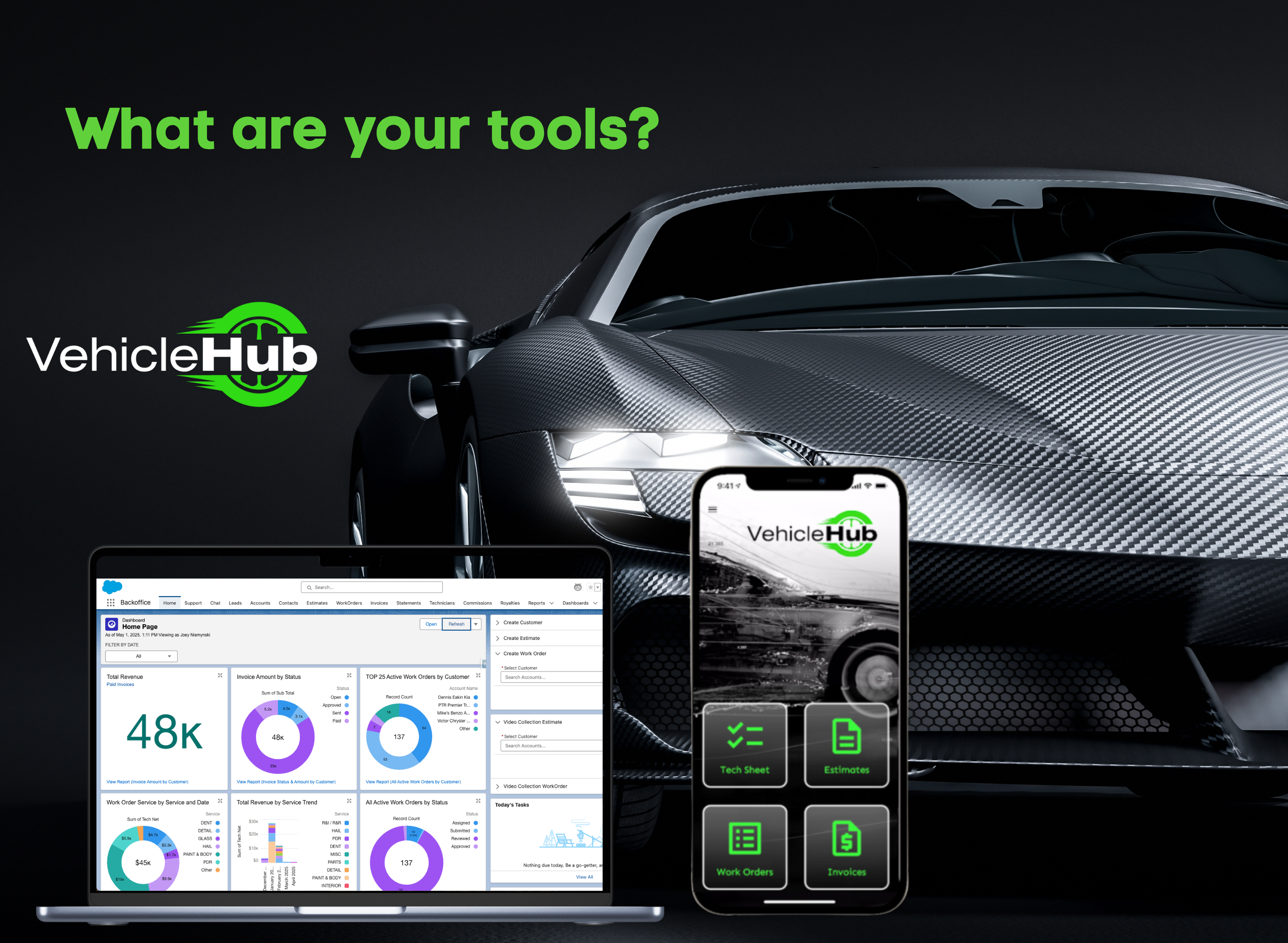
How VehicleHub App is Transforming Success for RECON Professionals The automotive reconditioning industry has undergone a remarkable transformation in recent years. Recon professionals no longer rely solely on clipboards, paper estimates, and manual tracking systems. Today’s most successful technicians and shops have discovered a powerful ally: mobile technology designed specifically for their unique needs. The Challenge Facing Modern RECON Operations Anyone in the recon tech field knows the frustrations all too well. You’re juggling multiple vehicles, tracking different stages of repair, and managing customer communications. Meanwhile, you’re trying to maintain accurate records while delivering quality work on tight deadlines. Traditional methods simply weren’t built for the pace and complexity of modern automotive reconditioning. For years, professionals searching for a dent repair cost estimator or PDR estimating software found themselves stuck. Generic business apps didn’t understand their workflow. Others cobbled together solutions using basic spreadsheets and note-taking apps, which led to missed details, communication breakdowns, and lost revenue. A Purpose-Built Solution for Paintless Dent Repair and RECON This is where VehicleHub has made such a significant impact. Unlike generic business management tools, VehicleHub was designed from the ground up for automotive reconditioning professionals. These are people who understand terms like mobile paintless dent removal, hail damage repair cost calculator, and auto recon application. The platform functions as a comprehensive pdr mobile app that travels with you from vehicle to vehicle. Whether you’re a solo mobile PDR technician or managing a full reconditioning facility, the app adapts to your workflow rather than forcing you to adapt to it. Real Results from Real Professionals What sets VehicleHub apart isn’t just its features—it’s the tangible results that recon professionals experience every day. Users consistently report significant improvements in their operations after implementing this recon application into their daily workflow. Streamlined Estimating and Invoicing The built-in cost of paintless dent repair hail damage calculator takes the guesswork out of pricing. Technicians can generate professional estimates on-site within minutes, which dramatically reduces the time between initial inspection and job approval. This speed advantage has helped many professionals close more deals simply by being first to provide a detailed, professional estimate. One PDR app user reported that the professional invoicing system alone helped legitimize their business. Insurance companies and fleet managers took notice of the polished presentation. When you can deliver detailed, branded invoices with before-and-after documentation, you’re no longer just a technician—you’re a professional service provider. Eliminating Costly Errors The transition from pen-and-paper to digital tracking has eliminated countless errors that once plagued recon operations. When you’re using paintless dent repair pdr tools alongside a comprehensive management app, every detail is captured accurately. Vehicle information, damage assessments, repair stages, and customer communications all live in one organized system. This unified visibility means nothing falls through the cracks. Managers can see exactly where each vehicle stands in the reconditioning process. Technicians know which jobs need attention, and customers receive timely updates—all without endless phone calls and status meetings. Enhanced Workflow Automation Perhaps the most transformative aspect has been the automated workflows that VehicleHub enables. Rather than manually tracking each vehicle through multiple stages of repair, the system handles coordination automatically. Technicians receive notifications when a vehicle is ready for their attention. Managers can identify bottlenecks before they impact deadlines, and administrative staff spend less time on paperwork and more time on customer service. For professionals offering services like Salesforce, CRM, Backoffice integration, VehicleHub’s compatibility matters. The app works alongside the tools you already use, which means you’re not starting from scratch. This creates a cohesive technology ecosystem for your entire operation. More Than Just a PDR Estimating Tool While many professionals initially discover VehicleHub while searching for a hail damage car repair cost calculator or PDR Estimating Software, they quickly realize the platform offers far more. The before-and-after photo documentation, customer relationship management, and detailed reporting features transform how entire businesses operate. The mobile-first design means your pdr app is always with you. Create estimates in the parking lot, update job status from the shop floor, and review financial reports during your commute home. This flexibility has been particularly valuable for mobile technicians who previously struggled to keep up with administrative tasks while moving between job sites. Building a More Professional Image Beyond operational efficiency, many recon professionals find that VehicleHub elevates their professional image. When you arrive with tablet in hand and create a detailed digital estimate on the spot, customers notice. You can capture comprehensive damage documentation with the car dent repair module and send a professional invoice before you leave the lot. All of this makes a lasting impression. This professionalism translates directly into customer confidence and repeat business. In an industry where trust and reliability are paramount, presenting yourself as a technology-forward, organized professional gives you a significant competitive advantage. The Path Forward for RECON Professionals The automotive reconditioning industry continues to evolve, and the professionals who embrace purpose-built technology are positioning themselves for long-term success. VehicleHub represents more than just a mobile app—it’s a complete business management platform designed specifically for the unique challenges of recon work. Whether you specialize in mobile pdr, operate a full-service reconditioning facility, or manage a team of technicians across multiple locations, having the right tools makes all the difference. The success stories from VehicleHub users demonstrate that investing in proper technology isn’t just about keeping up with competitors. It’s about unlocking your operation’s full potential. Experience the Difference If you’re still relying on outdated methods to manage your reconditioning operation, you’re working harder than you need to. The most successful recon professionals have already discovered how the right mobile app can transform their business, eliminate errors, and improve their bottom line. Ready to see what VehicleHub can do for your operation? Visit VehicleHub.tech to learn more about how this comprehensive platform is helping recon professionals across the industry achieve new levels of success. The future of automotive reconditioning is mobile, efficient, and profitable. The question isn’t whether to adopt modern technology—it’s whether you can afford

image
Auto Recondition, Dent Repair, PDR Software, Recon Tech

Paintless Dent Repair (PDR): Faster Repairs, Smarter Workflow for PDR Technicians

What Is Paintless Dent Repair? Paintless Dent Repair (PDR) removes dents without repainting—no fillers, sanding, or color matching. Using specialized rods, lifters, and precision lighting, techs massage metal back to its original shape. Because the factory paint stays intact, PDR is typically faster, more affordable, and better for resale value than traditional repairs. You’ll sometimes see it written as “painteless dent repair”—the correct term is paintless. Table of Contents   What PDR Can—and Can’t—Fix Best fits for PDR: Door dings and parking lot dents Hail damage repair across hoods, roofs, and trunks Soft dents on steel or aluminum panels Some crease dent repair when paint is intact and access exists When PDR isn’t ideal: Cracked/chipped paint over the dent Sharp edge dents with limited access Structural damage beneath the panel If you’re unsure, a quick photo estimate usually confirms whether PDR is a go. The Technician’s Challenge (and Why Software Matters) As a PDR tech or shop owner, your day isn’t just metal shaping. It’s: Fast estimates (including accurate hail matrix pricing) Clear work orders and status tracking Photo documentation and customer approvals Invoicing & payments to accounting Scheduling, dispatch, and multi-tech coordination Reporting on jobs, panels, pay, and profitability Doing this with spreadsheets, notes, or ad-hoc apps slows you down—and costs money in missed details and delays. How a PDR App Levels You Up (Why Pros Use Software) A modern paintless dent repair software platform like VehicleHub helps you move from lead → estimate → work order → invoice → payment without context switching. Core workflows you’ll care about: Photo-to-Estimate: Snap or upload photos; add dent count/size; produce a clean estimate fast. Hail Matrix Tools: Use insurer-friendly hail matrices; customize panels, counts, and add-ons. VIN/Plate Capture: Pull vehicle details quickly for accurate records. Work Orders & Tech Assignment: Convert approved estimates in one tap; track status (“New → In Progress → QC → Complete”). Mobile Invoicing & Signatures: Collect signatures on-device; send branded invoices instantly. Integrated Payments: Take payment in person or via link; reduce unpaid jobs. Accounting Sync: Push invoices and payments to QuickBooks Online (no double entry). CRM for PDR: Keep customer history, notes, and photos organized for repeat business. Reporting: Job profitability, tech performance, panel mix, and hail season throughput at a glance. Team Permissions: Admin, manager, and tech roles (so the right people see the right data). Bonus for growing teams: VehicleHub integrates with tools many shops already use—like Salesforce Sales Cloud for pipeline visibility for project/task views. A Day in the Life: PDR Job Flow with VehicleHub Lead comes in: Customer texts photos → create estimate with contact + vehicle basics. Estimate in minutes: Apply hail matrix or manual dent count; add labor/add-ons; send digital estimate. One-tap approval: Customer e-signs; estimate converts to a work order. Assign & track: Dispatch to a tech; status updates keep everyone in sync. Repair + QC: Tech logs time, attaches before/after photos, and marks complete. Invoice & pay: Generate invoice, apply tax/discounts, collect payment on device or via link. Auto-sync: The job and payment hit QuickBooks; customer gets receipt; CRM updates. Rinse & repeat: Reports show which panels, job types, or techs drive your best margins. Solo Techs vs. Multi-Tech Shops: What You’ll Notice Solo/Mobile Techs: Faster estimates, fewer no-shows, quick payments, cleaner books, and professional-looking documentation that wins referrals. Teams & Shops: Standardized pricing, fewer admin mistakes, real-time job status, accurate payroll inputs, and reporting that guides hiring and marketing. PDR vs. Traditional Body Shop Repair (Quick Comparison) Step-by-Step: How PDR Works Inspection – Technician checks dent size, depth, and paint condition. Access & Lighting – Panels are accessed from behind or with glue-pull techniques; special lights show micro-contours. Precision Pushing/Pulling – The tech slowly reshapes the metal using dedicated dent removal tools. Quality Check – Reflections are inspected from multiple angles to ensure a smooth finish. Mobile Dent Repair (Convenience Option) Many shops offer mobile dent repair, where a PDR tech comes to your home or office. This is ideal for small door dings or single-panel dents when access and lighting are suitable. Ask if your location and vehicle are good candidates for mobile service. Will Insurance Cover PDR? For hail damage repair, insurance coverage usually falls under comprehensive policies. For single dents (like a door ding), it depends on your coverage and deductible. A good shop will help with photos, estimates, and adjuster coordination if needed. Tips for Choosing a PDR Shop Experience: Look for certified or highly reviewed technicians. Before/After Photos: Real examples of similar repairs. Warranty: Reputable shops guarantee their work. Transparent Pricing: Clear estimates and timing. Communication: Willing to review photos and explain your options. PDR is already the fastest, most paint-safe way to remove dents. Pair it with a purpose-built PDR app and you’ll tighten the rest of your workflow—estimates, hail matrices, work orders, invoicing, and payments—so you can repair more cars in less time.

Mobile Paintless Dent Removal
Dent Repair

Essential Tools Every Mobile Paintless Dent Removal Technician Needs

When it comes to the automotive reconditioning industry, efficiency and precision are everything. Mobile paintless dent removal (PDR) has become one of the most demanded services to provide a car owner with the opportunity to find a fast and affordable solution to dents and dings without repainting. For technicians, success in this field depends on having the right set of tools. Even the most experienced hands cannot do everything without them. At VehicleHub- your one-stop solution to managing smarter, faster, and more lucrative recon business, we understand the importance of equipping mobile technicians with the proper gear. In this blog, we will break down the basic paintless dent repair PDR equipment that any mobile technician is supposed to ensure flawless results. 1. PDR Rods and Leverage Tools  PDR rods are the cornerstones of mobile paintless dent removal. Through these tools, technicians can reach dents by accessing the back of the panel, and they can massage the metal to its original shape. The most important aspect is variety, where straight rods, double-bend rods, and short tools are essential to work with any large dents or narrow points. The use of leverage tools simplifies the work and helps to minimize fatigue, particularly in working with bigger dents. A professional kit has rods of varying lengths and thickness so that there are no jobs beyond reach. 2. Glue Pulling Kits Not all the dents can be determined at the back of a panel, and here glue pulling kits come in. These are kits that contain glue guns, tabs, and slide hammers that enable the technicians to draw dents out of the surface. Hot-weather or cold-weather glue types give the choice of flexibility in different climates. Variable-shaped and variable-sized glue tabs are used to ensure that technicians are able to work on wide and pinpoint dents. A glue pulling kit is also required to be well-stocked in cases of mobile paintless dent removal, where there is no easy access under the panels. 3. LED PDR Lights In PDR, Visibility is everything. It is almost impossible to determine the precise contours of a dent or to determine a smooth finish without proper lighting. LED lights with adjustable arms and stands are the gold standard. Their rechargeable or battery-operated models are ideal for mobile work. The lights also produce contrast, and the dents and imperfections are emphasized to enable technicians to work with pinpoint accuracy. 4. Dent Lifters and Mini Lifters Mini lifters and dent lifters provide technicians with a high level of accuracy in the process of extracting dents using glue tabs. The mini lifters should be used on the smaller dents where precision is of great concern. T-handles and slide hammers will be more effective on deeper or intractable dents. With these tools combined, technicians can produce quality results that are consistent and in the shortest time. 5. Knockdown Tap-Down Sets and Tools. High spots are usually left after dent lifting. Tap-down sets and knockdown tools are used to smooth the face of the technician. The interchangeable tips in plastic, rubber, or metal allow versatility for different surfaces. The further refinement is carried out by mixing hammers to fill the area, which combines the repair with the rest of the panel. This is crucial due to these tools that will help create that invisible repair that each car owner wants. 6. Heat Guns Metal panels react to different situations differently, and exposure to heat may help avoid cracking in paint when covering dents. The paint is softened using heat guns, enabling the technicians to operate the metal in a safe way. This is necessary to work on aluminum panels that are not as forgiving as steel. Every mobile PDR technician must have a small and powerful heat gun. 7. PDR Tool Carts and Storage Solutions.  It is also important that the organization plays a significant role, as the tools do. A mobile technician must be able to carry, retrieve, and store tools on the move. Rolling tool carts for shop use keep tools organized and within reach. Mobile operations are made smooth in compact storage bags and cases. Effective storage minimizes downtime and allows technicians to get to and out of jobs fast. 8. Protective Equipment and Personal Protection.  PDR is a manual job, and the technicians must have the appropriate protective equipment to remain safe and productive. Safety gloves reduce fatigue and injuries on the hands. Fender covers and panel guards ensure that vehicles are not accidentally scratched in the course of repair. Even these little things are important to professionalism and customer satisfaction. 9. Mobile Power Solutions  Being in the field requires access to good sources of power. Paintless dent repair PDR tools such as glue guns and LED lights, among others, need electricity. Power stations or inverters are portable and sustainable equipment. Alternatives that operate on batteries lessen the reliance on external sockets. Mobile power solutions guarantee that the technicians are always on-call, regardless of their work location. 10. Training and Digital Tools Lastly, tools aren’t limited to physical equipment. It is also important to know and be supported by digital. Manuals, apps, and video materials assist technicians in sharpening their skills. Such business management software as Recon Tech Solutions ensures workflow efficiency. VehicleHub is capable of offering the digital ecosystem to enable technicians to optimize their performance and profitability. 11. Mobile Recon App A Mobile Recon App like VehicleHub is a game-changer for PDR technicians. It centralizes daily tasks, saving time and ensuring smooth operations. This tool helps streamline every aspect of the recon process, making work faster, smarter, and more profitable. Key benefits include: Job Management: Organize repair orders and track progress with ease. Estimates & Invoicing: Create accurate quotes and send invoices instantly. Scheduling: Manage appointments and reduce downtime. Real-Time Updates: Keep customers and teams informed at every stage. Workflow Integration: Connect PDR, detailing, and body shop services seamlessly. At VehicleHub, a one-stop shop to operate a smarter, faster, and more lucrative recon business, we are determined

Mobile Paintless Dent Removal
Dent Repair

Mobile Paintless Dent Removal: How On-Site PDR Saves Time and Money

Convenience and efficiency are more important than ever as far as auto reconditioning is concerned. Customers want quick solutions without sacrificing quality while businesses need workflows that maximize profits. This is where mobile paintless dent removal (PDR) comes in. By bringing expert dent repair directly to customers, technicians save time, reduce costs, and increase customer satisfaction. At VehicleHub, we understand the role that mobile PDR is playing in transforming the industry. In this informative post, we will discuss what mobile paintless dent removal is, how it works, and the numerous advantages it offers to both the customer and the recon professionals. What Is Mobile Paintless Dent Removal? Conventional dent repair methods might involve the use of body filler or repainting, which is a costly and time-consuming exercise. But, mobile paintless dent removal repairs dents and dings without damage to the original paint. Experienced technicians apply specially designed equipment to work the dents out of the panel behind the scenes to give the vehicle a smooth look. What makes it even more appealing is its mobility. Mobile PDR services do not require the customers to take their vehicles to a shop, but they bring the professionals to the driveway, office, or dealership parking lot. How Mobile PDR Works? Mobile paintless dent removal is a simple process, but very effective. The process works like this: Evaluation: The technician evaluates the size, depth, and position of the dent and determines whether PDR is appropriate. Access: The tools are inserted behind or on top of the damaged panel very cautiously. Precision Repair: Metal is carefully reshaped using gentle and controlled pressure, and the dent is removed without disturbing the factory finish. Final Inspection: The technician makes sure that the surface appears as smooth as it did not get damaged. This simplified procedure does not require sanding, fillers, and repainting, making it both faster and more cost-effective. How Mobile PDR Saves Time? One of the most important resources is time for both vehicle owners and the auto recon businesses. This is the way mobile PDR can save it:   No Shop Visits. Customers do not need to go out of work or stand in a body shop. The fixing occurs at any location. Fast Repair: It takes less than one hour to repair many dents, whereas it took days with the conventional methods. Efficient Fleet Management: To dealerships/ rental corporations, mobile paintless dent removal ensures that cars are ready to be on the road without leaving them out of service. Mobile PDR saves time in getting vehicles back on the road, and businesses have reduced downtime.   How Mobile PDR Saves Money? The other big benefit is cost savings. Mobile paintless dent repair is considerably cheaper than traditional restoration. Here’s why: No Repainting Necessary: Removal of paint-work will conserve hundreds of dollars on each repair. Reduced Labor Costs: Fewer steps mean less labor, reducing overall costs. Maintain Vehicle Value: By preserving the original paint, the vehicle can be maintained, thus the paint can be considered a wise investment for car owners, as well as dealerships. Volume Savings for Businesses: Business dealerships and fleets enjoy the economies of scale in mobile reconditioning, PDR, and reduce their reconditioning costs greatly. In other words, mobile PDR is cost-effective, and the highest quality of results is delivered. The Customer Experience Advantage  In today’s fast-paced world, time is a determining factor for customers. Mobile paintless dent removal delivers a service model customers appreciate: At-Home or At-Work Service: Customers save the time and stress of travelling. Quicker Turnaround: Most of the dents are repaired in less than an afternoon. Peace of Mind: Customers will observe their vehicle in the repair process premises, which will enhance trust and satisfaction. This positive experience often leads to repeat business and referrals, making mobile PDR a growth opportunity for recon professionals. Why Do Businesses Need to Adopt Mobile PDR? In the event of auto recon businesses, the mobile paintless dent removal is a good idea to add to the industry. It also enhances the flexibility of service, the acquisition of more customers, and efficiency in operations. With the collaboration of VehicleHub, companies will be able to incorporate mobile PDR into the workflow without challenges. With our platform, you can: Book mobile dent repair jobs easily. Turnaround times and performance of track technicians. Automatize the interactions among detailing, PDR, and body shop groups. Increase profitability through decreasing inefficiencies within your recon process. We make businesses at VehicleHub smarter, faster, and more profitable using the tools that are based on modern needs. Mobile paintless dent removal is a revolution for the car owner who desires convenience and the recon professional who wants to achieve efficiency. It saves time, costs are minimized, and cars are maintained at their best appearance, without the burden associated with traditional repairs. With the increasing demand for mobile PDR, the companies that implement this solution will be at an advantage as the demand increases. And, having VehicleHub, it has never been so easy to incorporate mobile paintless dent removal in your workflow.

Mobile PDR
Dent Repair

Dent Repair without the Desk: VehicleHub is Revolutionizing Mobile PDR

What if you could run your entire reconditioning business from your phone? No paperwork. No back-and-forth emails. Just fast, accurate, professional service at your fingertips. Welcome to VehicleHub – the mobile PDR app that’s changing how dent techs work, communicate, and get paid. Whether you’re an independent technician or part of a large reconditioning team, mobile PDR apps make mobile dent repair smoother than ever. Let’s take a drive into what makes this app a true game-changer. The Roadblock: Traditional Paintless Dent Repair (PDR) Workflows Imagine this: You’re on-site at a dealership. You’ve got four cars to assess, two more waiting, and your paperwork is still in yesterday’s pile. The estimate forms are clunky. You can’t remember if that VIN had two dents or three. And worst of all—your client is getting impatient. Sound familiar? That’s the old way of doing things. Pen-and-paper forms. Manual calculations. Delayed invoicing. Missed photos. Lost time. In today’s fast-paced world, that just doesn’t cut it anymore. The Mobile PDR App Advantage: Power in Your Pocket Enter VehicleHub—a mobile PDR app built specifically for techs on the go. It doesn’t just replace your clipboard. It replaces the entire process with a sleek, powerful digital platform. Need to write an estimate? Tap and go. Want to document  dent photos? Snap and attach. Looking to send an invoice? Done in seconds. You don’t even need to return to the office. Everything you need is on your phone or tablet. Mobile PDR App: Real Tools for Real Work VehicleHub isn’t just flashy tech. It solves real problems you face every day. Fast VIN Scanning: Pull up vehicle details in seconds with a simple scan. No manual entry. No errors. Smart Estimating Tools: Use dent and hail matrices to create accurate quotes in minutes—no calculator required. Photo Markup: Highlight damage directly on photos for crystal-clear communication with customers and insurers. Digital Signatures & Invoicing: Get approvals and payments on the spot. No printers, no scanners. You’re not just saving time. You’re upgrading your whole workflow. Go Mobile. Stay Professional. The world is mobile. Your reconditioning business should be too. VehicleHub lets you operate from anywhere—dealerships, parking lots, client driveways, even auctions. With cloud syncing, your data is always secure and accessible. Even better? Your clients see the difference. You show up with your tools and your tech, looking sharp, modern, and reliable. That builds trust—and repeat business. Mobile PDR App For Individuals, Teams & Multi-Lot Operations Whether you’re a solo operator or managing an entire reconditioning team, this Paintless Dent Repair app scales with you. Independent techs can create, track, and complete jobs in one app. Team leads can assign work, monitor progress, and view reports across multiple users. Dealerships and fleet managers love the fast turnaround and professional presentation. No more missed jobs. No more paperwork backlogs. Just productivity. Eco-Friendly & Cost-Effective Mobile PDR App Paintless Dent Repair is already an eco-friendly alternative to traditional bodywork. But the mobile PDR app takes it further. By going digital, you: Reduce paper waste. Cut down travel time to and from the office. Eliminate unnecessary supplies and hardware. You also save money on labor, materials, and admin overhead. That’s more profit per job—with less effort. What Clients Say About Our Mobile PDR App? “This Paintless Dent Repair tool is the only tool a recon team will need. The app has everything from estimating to invoicing. It really simplified our work flow and our employees love it.”— Owner of Mom & Pop Shop “VehicleHub had all the features we needed. They had the skills to make things work the way we wanted them to work with our own branding and connecting to our back office.” — Adam Bielecki, CEO Streamline Recon, Dallas, TX Be Faster. Be Smarter. Be Mobile. The Paintless Dent Repair (PDR) industry is moving fast. Clients expect instant estimates, clear communication, and digital convenience. With VehicleHub, you can deliver all of that—and more. You don’t need more hours in the day. You need the right tools. VehicleHub is that Mobile PDR tool. Ready to simplify your workflow, impress your clients, and grow your business? Don’t let paperwork slow you down. Let VehicleHub help you work smarter. Anywhere. Start using VehicleHub today and take your Paintless Dent Repair services mobile.

Salesforce, CRM
Dent Repair

How VehicleHub Integrates Salesforce, CRM, and Backoffice Tools to Streamline Auto Dealerships

In today’s rapidly changing automotive retail landscape, operational efficiency is not just an advantage but it’s a requirement. With gaps in inventory, shrinking margins, and rising customer expectations, dealerships face growing pressure. Therefore, they need more than basic management systems. Instead, they require innovative, connected solutions that close the loop from the showroom to the service lane and back office. That’s where VehicleHub Comes In At VehicleHub, we focus on redefining the reconditioning process. Our solutions are built specifically for the auto recon business. Whether your model is an indie lot, a big-box dealership, or a recon center of excellence, our recon app streamlines your entire process. It supports every step, from acquisition through frontline readiness. Moreover, our system offers automation, real-time visibility, and actionable analytics. As a result, you achieve faster cycle times, higher efficiency, and better profits throughout your reconstruction process. However, to support the full scope of a modern dealership, VehicleHub goes beyond reconditioning. We integrate seamlessly with Salesforce, CRM platforms, and back-office software. This means your operation gains a 360-degree view of every vehicle, every customer, and every process. How We Do It? 1. A Seamless Salesforce Integration for Dealer-Level Intelligence Salesforce is one of the top tools for customer relationship management, sales tracking, and marketing campaigns. However, when it operates in a silo, it falls short. VehicleHub bridges that gap. Our Salesforce integration shows the recondition status and readiness of each vehicle directly within the dealership’s CRM. This means salespeople no longer have to chase the service department or guess at vehicle availability. They can view real-time conditions, estimated frontline dates, and service history—all within Salesforce. Therefore, communication improves across departments, sales cycles get shorter, and customer satisfaction increases. 2. Smart CRM Integration: Turning Recon Data into Sales Opportunities Your CRM is more than a contact database—it drives customer engagement. With VehicleHub integrated, dealerships capture operational data to enhance every customer interaction. For example, imagine a caller asks about a specific vehicle. Instead of saying, “Let me check,” your salesperson can respond, “That vehicle is in reconditioning and will be available Thursday. Shall I schedule a test drive?” That’s the power of real-time recon data flowing into your CRM. Additionally, with Salesforce and CRM integration, dealers can streamline follow-up, personalize offers, and track customer actions throughout the recon and sale process. As a result, you boost conversions and increase satisfaction. 3. Backoffice Integration That Saves Time and Reduces Errors Reconditioning isn’t just about tools and technicians. It also includes approvals, vendor payments, billing, and reporting. Often, the back office becomes a bottleneck when systems don’t sync. VehicleHub solves this by integrating with your back office, including QuickBooks, Stripe, Paystri, or custom systems. Repair orders, vendor bills, and cost approvals are automatically integrated into your accounting setup—no manual entry is required—resulting in clean, accurate financial records. As a result, you reduce admin time and gain insight into vehicle margins, vendor performance, and departmental results. 4. Streamlined Workflows from Purchase through Sale By consolidating Salesforce, CRM, and back-office systems, VehicleHub enables end-to-end workflow automation. From auction or trade-in to inspections, reconditioning, approvals, and listings—every step is tracked in real time. This leads to faster vehicle turnarounds, fewer delays, and quicker inventory movement. For example: Recon status updates appear in Salesforce CRM alerts Vendor invoices flow directly into the back office Everything is connected. Everything moves faster. 5. Real-Time Insights and Reporting One of VehicleHub’s greatest strengths is helping you make decisions with data. Since all systems—Salesforce, CRM, and back office—feed into our analytics engine, managers have access to a real-time dashboard. Would you like to view the average revenue by vendors or top customers? Done. Need a breakdown of per-vehicle costs? Easy. In short, VehicleHub turns scattered data into clear, actionable insights. The Future Of Auto Retail Is Connected Auto dealerships can no longer operate in silos. Today’s buyers demand speed, transparency, and seamless service. To deliver that, your systems must be connected. VehicleHub integrates deeply with Salesforce, CRM, and back-office tools. As a result, you eliminate bottlenecks, improve team efficiency, and deliver better customer experiences. From acquisition to frontline readiness, VehicleHub is redefining auto reconditioning and dealership success.

dent repair cost estimator
Dent Repair

How Much Does Paintless Dent Repair Cost?

How Much Does Paintless Dent Repair Cost Estimator? If you’ve ever found a sudden dent or ding on your car, your first question is likely: how much does paintless dent repair cost? Whether it’s due to a hail storm, a runaway shopping cart, or a fender bender that isn’t so bad, paintless dent removal (PDR) is an ideal and effective choice. It’s fast, non-invasive, and doesn’t ruin your original paint. But costs can vary widely depending on several factors. At VehicleHub, we know that accurate, quick, and transparent pricing matters. That’s why we’ve created dent repair cost estimator software that’s transforming the way professionals create repair estimates. In this blog, we’ll take you through everything there is to know about paintless dent removal cost, how the estimates are done. What Is Paintless Dent Repair (PDR)? Paintless Dent Repair is a process of eliminating small dents and dings from the body of a vehicle without repainting or using body filler. Expert technicians use specialized equipment to coax the dented area back into its original shape behind the panel. Since it doesn’t require repainting, PDR is quicker, cheaper, and cleaner than traditional body shop repair. Paintless Dent Repair: How Much Should You Expect to Pay? The most popular question we get is: how much is paintless dent repair? The answer is not one-size-fits-all. The cost of paintless dent removal varies on several factors, including: Size and depth of the dent Number of dents Position of the dent (e.g., hood, roof, door panel) Accessibility behind the panel Make and model of the vehicle. Local labor costs Average paintless dent removal cost can vary from $75 to $150 for minor dents and anywhere up to $500 or more for extensive or complicated damage like hailstorms that impact several panels. Calculate Paintless Dent Removal Cost Estimator Software Historically, technicians have used experience and charts to evaluate dents and quote costs manually. However, VehicleHub now brings in a more intelligent method of quoting with our dent repair cost estimator tool. The sophisticated tool offers improved accuracy, speed, and professional services through the utilization of live vehicle data and image recognition. Here’s how: 1. Enter Vehicle Information Begin by typing in year, make, and model. This information helps the system learn about panel shape, accessibility, and typical pricing trends. 2. Upload and Review Photos Just take a photo of the dented panel. The system reads the picture to determine: Dent size and shape Location of the vehicle Number of dents Severity of damage This computerized detection provides consistent and unbiased pricing—no more guesses. 3. Calculate Paintless Dent Removal Cost Instantly The system calculates the paintless dent removal cost in seconds, factoring in: Labor hours Parts (if needed) Materials R&I (Remove and Install) costs Industry based pricing modifications You’ll know exactly how much paintless dent repair costs for that specific vehicle and damage scenario. 4. Customize and Generate Estimates Need to adjust pricing for a unique job or customer preference? The estimator allows full customization. Tailor labor prices, add notes, or offer discounts—all while maintaining a professional presentation. 5. Send Branded Estimates on the Spot Generate and deliver branded estimates instantly from your smartphone or tablet—at the dealership, body shop, or customer’s home. You’ll boost your credibility and improve the customer experience with quick, clear, and accurate estimates. Why Does A Dent Repair Cost Estimator Tool Make a Difference in Estimating Cost? Time: Reduce estimating time from hours to minutes Mistakes: Get rid of guesswork and inconsistency Conflicts: Provide clear, documented pricing Delays: Accelerate approvals and job beginnings Other Things That Can Influence Paintless Dent Removal Cost Although this innovative tool assists in providing a base price quote, other business factors might still be influential: Volume discounts for dealerships or fleets Urgent or after-hours work Multi-panel discounts Add-on fees for speciality items or larger repairs The versatility of VehicleHub’s estimator allows you to factor in these variables without compromising your process or professionalism. How a Paintless Dent Repair Cost Estimator Works Overall, paintless dent removal cost depends on damage type, location, and vehicle specifics. Whether a single door ding or extensive hail damage, prices can fall in the range of less than $100 to a few hundred dollars. By using VehicleHub’s dent repair cost estimator, you’ll: Create accurate, fair quotes in minutes. Present professional, branded estimates Increase customer trust and win more jobs. Save time and streamline your workflow. So next time someone asks how much paintless dent repair costs, you’ll not only have the answer—you’ll have the technology to back it up. Interested In Transforming Your Dent Repair Cost Estimating Process? Use VehicleHub’s artificial intelligence-driven dent repair cost estimator today and begin quoting smarter, faster, and with absolute confidence.

Questions to Ask Before Booking a Dent Repair Cost Estimator
Dent Repair

How to Choose a Dent Repair Cost Estimator: 7 Questions to Ask Before Booking

How to Choose a Dent Repair Cost Estimator: 7 Questions to Ask Before Booking In the demanding business of reconditioning vehicles, accurate, fast, and mobile dent repair estimates can make or break your workflow or operation. Whether you’re handling hail damage, small collision dings, or everyday Paintless Dent Repair (PDR) jobs, the proper dent repair cost estimator can revolutionize your business. But how do you select the right cost estimator among a vast number of digital solutions? Which features are truly essential? At VehicleHub, our dent repair cost estimator provides real-time, mobile-friendly quotations based on advanced logic and damage analysis. But before making a decision, here are seven key questions to ask to make sure you select the best dent repair cost estimator for your company. 1. Is the Estimator Built for My Business Type? Not every dent repair cost estimator is created equal. Some are designed for insurance shops or high-end collision repair shops, and some are designed for DIY users. VehicleHub’s Dent Repair Cost Estimator is designed specifically for reconditioning and dent repair professionals, including: PDR technicians Collision repair shops and auto body shops Mobile repair units Dealership recon shops If your workday involves hail damage, small dents, or PDR, this dent repair estimate tool is specifically designed for your use. 2. Does It Utilize Sophisticated Technology? Most estimators depend on old-fashioned manual entries or simple price charts. But, real-world dent damage is not so simple. VehicleHub PDR app examines uploaded photos of the damage and identifies dent size, pattern, severity, and panel type—and then determines the most precise cost estimate based on the following: Number and diameter of dents Allows for Industry Standard & Custom Add-on’s Repair type (PDR or traditional) Original Photos and AI Marked Photos of the Damage Utilizes Industry Standard & Custom Pricing Matrices Allows for R&I (Remove and Install) needs Panel Level Notes & Photos This guarantees accuracy without conjecture and removes human fallibility from the process. 3. How Quickly Can I Prepare an Estimate? Time is money in the reconditioning game. If you’re still wasting precious hours a week on manual spreadsheets or antiquated systems, you’re leaving profits on the table. With VehicleHub’s estimator, you can: Snap a photo Let the software work its magic. Create an accurate, professional estimate —all in a matter of minutes from your smartphone. This type of efficiency can knock hours off your workload and enable you to serve more customers without sacrificing quality. 4. Is It Mobile-Ready for On-the-Go Use? In today’s mobile-first world, estimators that only work on desktop computers are limiting your ability to work in the field. VehicleHub’s solution is fully mobile-accessible—whether you’re at a dealership or visiting a customer at home. Create, save, and send estimates directly from your smartphone or tablet. This adaptability puts your productivity and responsiveness on the fast track, enabling you to close more deals and provide superior customer service on the fly. 5. Does It Play Well With My Other Recon Tools? You don’t simply require an isolating estimator—you need a solution that gets along with the rest of your workflow. VehicleHub’s estimator seamlessly integrates with their backoffice solution that contains: Job tracking and technician assignments Technician Commissions Hail and PDR repair management Invoicing and payments Customer communication and approval workflows Having one platform for all keeps you from switching between multiple apps or systems—and keeps your recon process streamlined and efficient. 6. Does It Generate Professional, Itemized Estimates? Your estimates are not just a number but they’re your brand. An unprofessional or confusing estimate can cause hesitation and slow approvals. With VehicleHub, each estimate you create is: Professionally formatted Itemized with crisp labour, part, and dent mapping Prepped to send by email or deliver in person This amount of transparency increases your credibility and customer confidence, resulting in quicker approvals and repeat business. 7. How Accurate and Reliable Are the Estimates? Incorrect estimates can result in lost profits, re-negotiations, and lost customer relationships. You require pricing that mirrors actual repair situations. VehicleHub’s estimator allows adjustments for real-world variations such as: Panel access Pricing Add’ons R&I time Repair method options On-demand custom entries/pricing Why VehicleHub’s Dent Repair Estimator Stand Out? In the comparison of dent repair cost estimators, VehicleHub does it all: Photo analysis for speed and accuracy Mobile availability for estimating on the go Real-time calculation of cost based on multiple repair variables Professional, branded estimates that maximize customer confidence Seamless integration with repair tracking, approvals, and invoicing Designed specifically for PDR techs, body shops, and recon teams A one-person or one-woman mobile recon show or running an entire reconditioning department at a dealership, this dent repair estimate tool will take your workflow, precision, and customer satisfaction to the next level. Selecting the ideal dent repair cost estimator doesn’t have to be difficult. Ask the proper questions, prioritize accuracy, mobility, and professional presentation and ensure it’s created with your specific recon challenges in consideration. With VehicleHub’s dent repair cost estimator software you don’t get a quicker means to quote—you get a brighter, more built-in solution that evolves with your operation.

© 2026 VehicleHub, LLC. All rights reserved
Scroll to Top