Peak Season Staffing for Multi-Location PDR Operations
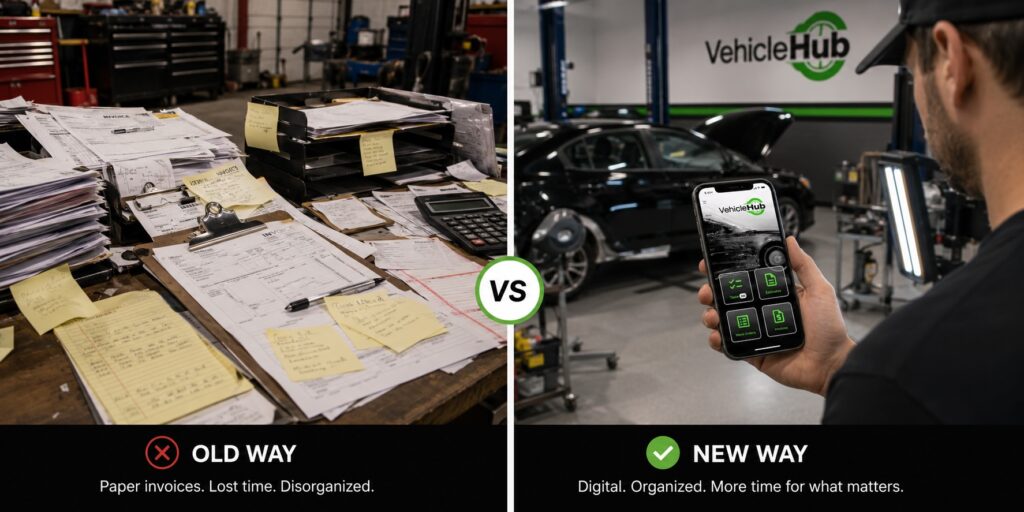
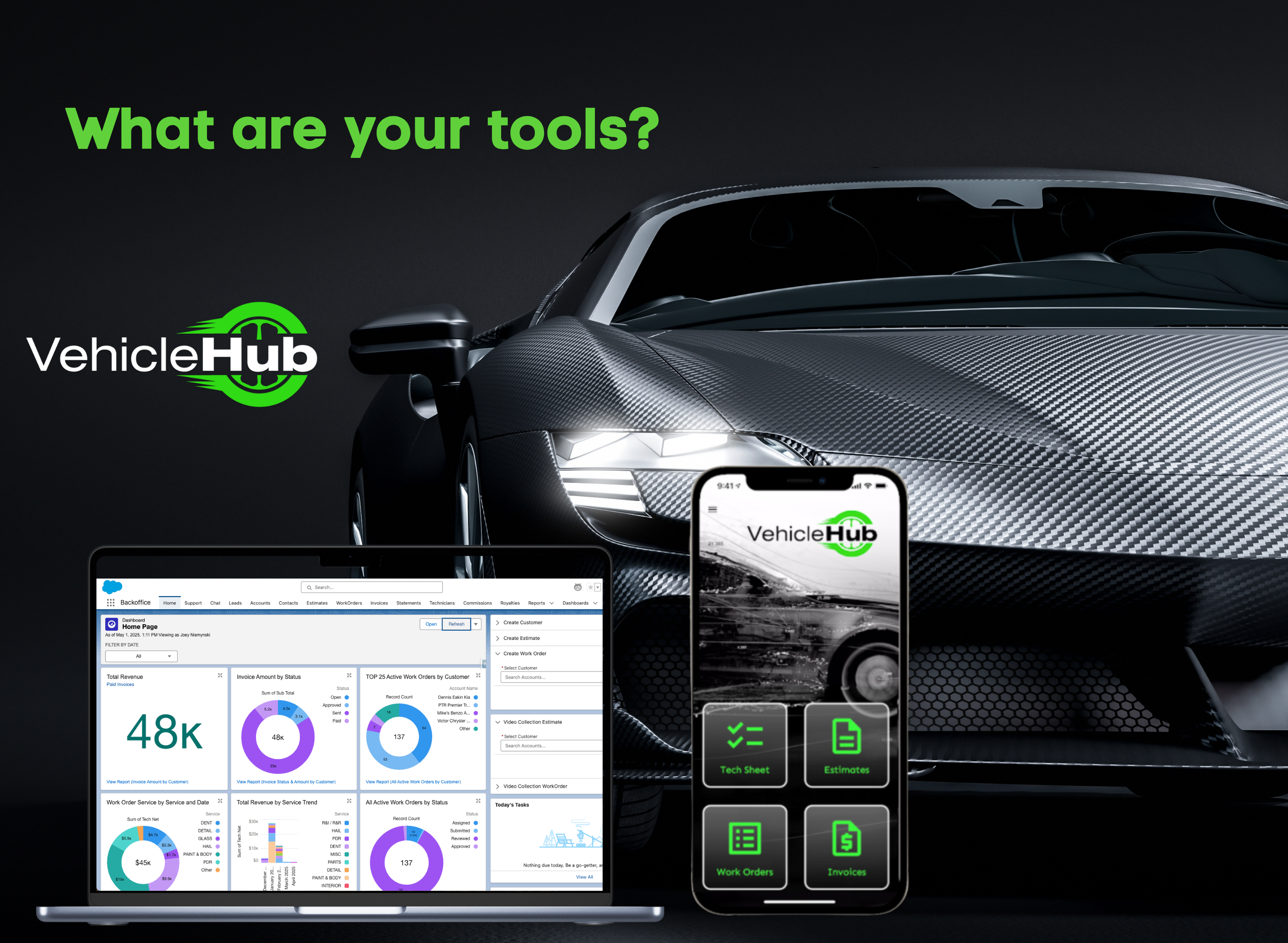
Peak Season Staffing for Multi-Location PDR Operations Running a single PDR shop during hail season is hard work. Running two, three, or five locations when a storm system rolls through your region is an entirely different management problem — and it breaks the operators who haven’t thought through it before the first car shows up. The challenge isn’t just having enough techs. It’s having the right techs in the right places, keeping production quality consistent across locations, protecting your best people from burnout, and maintaining the operational visibility to make decisions in real time. Many multi-shop operators can do one or two of those things well. The ones who do all four at scale are the ones building durable businesses. Why Multi-Location Staffing Is Harder Than It Looks In a single-location shop, you’re present. You see who’s working fast and who’s struggling. You notice when an estimate came in low. You can personally redirect a tech if a job is taking longer than it should. The shop runs, in part, on your direct observation. Specifically, multi-location operations remove that direct observation layer. Each location has its own rhythm, its own team dynamics, and its own manager making real-time calls. When a storm event hits and volume triples at two or more of your shops simultaneously, those managers are making decisions you can’t personally supervise — with labor resources that may be insufficient and a backlog that’s growing by the hour. Consequently, the systems and protocols you build before the season determine how well those managers perform when the pressure is on. Build a Float Tech Roster Before You Need It The single most important staffing tool for a multi-location hail operator is a bench of float techs: experienced contractors who can move to a market on short notice, integrate with your workflow quickly, and produce quality work without close supervision. This roster does not build itself in the middle of a storm event. Furthermore, the good float techs have multiple operators calling them at the same time — they go to the operators they already have a relationship with. Building those relationships in the slow season, paying them fairly when you use them, and making it easy for them to work with your shops is what gets you their number when you need it most. What to Look for in Float Techs The profile you’re looking for is different from a full-time hire. Float techs need strong production skills, but they also need flexibility and the ability to read a new shop’s rhythm quickly. They’re not going to know where your tools are or how your intake system works. Therefore, the lower the friction cost of onboarding them to your shop — and the clearer your work order and intake process — the faster they’re producing value. A shop with clear work orders, organized job records, and a straightforward intake process brings a float tech up to speed in an hour. A shop running on handwritten notes and verbal instructions takes days — and during storm season, you don’t have days. Protect Your Core Team The temptation during a major hail event is to run your best techs as hard and as long as they’ll let you. They’re the most capable, the most reliable, and the most efficient — so the rational move seems like using them as much as possible. That logic is correct over a week. Over a summer, it destroys people. The PDR techs who leave for competitors or go independent almost always cite burnout as the primary reason. Moreover, losing a top tech in August — because you ran them down in June and July — costs you far more than the margin you gained in those extra hours. Set Production Targets, Not Hours The most effective approach is to manage your core techs by production targets rather than time on the floor. A skilled tech who completes 45 panels a day and goes home at a reasonable hour is more sustainable than one grinding through 60 panels while accumulating fatigue injuries and resentment. Define what a strong day’s output looks like, set that as the target, and let techs leave when they hit it. Additionally, this model makes float tech contributions easy to measure. You’re not managing attendance — you’re managing output. That clarity works across locations and across employment arrangements. Build Operational Visibility Across Locations When you’re managing multiple locations through a surge event, you need to know — in real time — where each shop stands. How many vehicles are in the queue? Where are the bottlenecks? Which location is running out of capacity first? Are there jobs waiting on parts, insurance approvals, or customer callbacks? Without a centralized system, answering those questions requires calling each location manager and assembling a picture from their individual reports. That takes time you don’t have, and the picture is only as accurate as the last call. Centralize Job Records and Work Orders A shop management platform that gives you visibility across locations isn’t a luxury for multi-shop operators — it’s infrastructure. When every shop is entering job information, estimates, and work order status into the same system, you get a real-time view of the entire operation from any device. That visibility lets you make decisions: send a float tech to Location B because Location A is actually ahead of pace; redirect an adjuster appointment because the manager at Location C is overwhelmed; call a customer at Location A whose vehicle is done and move the job through to invoicing without waiting for the manager to have bandwidth. Standardize Your Intake Process Across Locations Each location running its own intake process creates inconsistency in your customer experience and makes cross-location management harder. Moreover, when a float tech moves between shops or a manager covers at a different location, they’re operating in an unfamiliar system — which slows them down precisely when speed matters most. Standardizing your intake checklist, estimate format, work order structure, and invoice process