
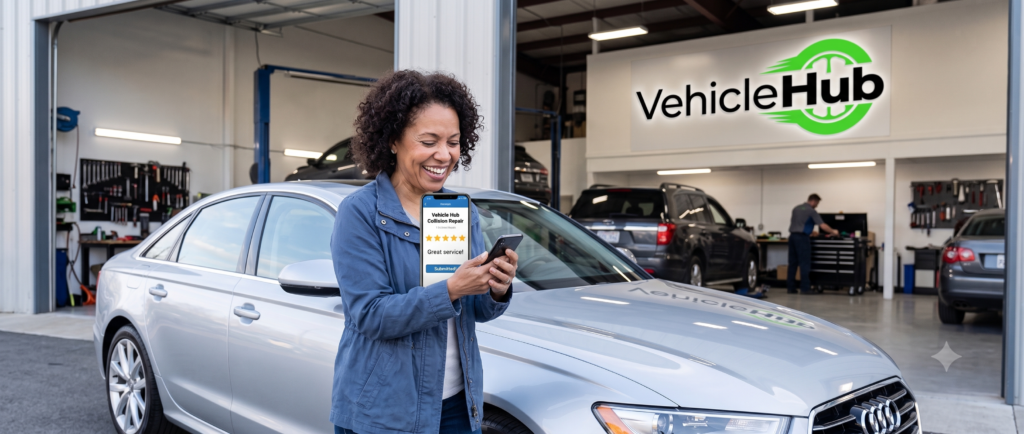
PDR Customer Reviews That Win More Hail Season Jobs
PDR Customer Reviews That Win More Hail Season Jobs PDR customer reviews decide whether a driver with hail damage calls your shop or scrolls past it. Around 90% of consumers read reviews before picking a repair shop. Most won’t consider a business rated below four stars. That single fact changes how seriously a shop should treat its review strategy, especially heading into a busy back half of hail season. Trust is already a hard sell in this industry. A recent AAA survey found that roughly two-thirds of U.S. drivers don’t fully trust auto repair shops, largely over fears of unnecessary work or inflated pricing. PDR customer reviews are one of the few tools that directly counter that skepticism. They come from someone the prospective customer actually believes: another driver who just went through the same thing. Why PDR Customer Reviews Matter More Than General Repair Reviews Paintless dent repair is often unfamiliar to customers until their car gets hit by a storm. They don’t know what “PDR” means. Whether it’s legitimate is anyone’s guess. And they definitely don’t know if your shop is any good at it. Reviews fill that knowledge gap fast. Google hosts the vast majority of automotive reviews. Each new review tends to drive additional website visits, direction requests, and phone calls. In other words, every review you collect quietly does marketing work long after the job is finished. Furthermore, a one-star increase in your average rating can lift revenue by five to ten percent. That’s a meaningful number for any shop watching margins during a high-volume season. Building a Reliable Review Pipeline Waiting for happy customers to leave reviews on their own rarely works. Most satisfied customers simply move on with their day. A frustrated customer, in contrast, is far more likely to post unprompted. As a result, shops need a system that asks for reviews consistently, not occasionally. The best moment to ask is right after delivery, when the customer is looking at their car and feeling the relief of a fast, clean repair. A simple text message with a direct review link, sent the same day, converts far better than an email sent a week later. Additionally, training your front desk to mention the review request out loud reinforces the text and increases response rates. Responding to Reviews — Good and Bad Every review deserves a response, not just the negative ones. Thanking a customer publicly reinforces the relationship. It also shows future readers that your shop pays attention. Notably, responding to a negative review calmly and professionally often does more for your reputation than the five-star reviews sitting next to it. When a negative review appears, resist the urge to argue in public. Acknowledge the concern, and offer to make it right. Take the detailed back-and-forth to a phone call or direct message instead. Prospective customers reading that exchange care less about who was right. They care more about how your shop handled it. Turning PDR Customer Reviews Into a Multi-Shop Advantage For operators running several locations, PDR customer reviews also work as an internal signal. A location with a dropping rating often has a service or communication issue worth investigating before it shows up in revenue numbers. Consequently, review scores belong on the same dashboard as your other shop performance metrics, not off in a separate app nobody checks. Vehicle Hub keeps customer contact information, job history, and communication timing in one place. Sending a review request at the right moment doesn’t depend on someone remembering to do it manually. The same record that holds your estimate and invoice also tells you exactly when to reach out. That keeps your review pipeline running even during your busiest weeks. Frequently Asked Questions How many PDR customer reviews does a shop need to build trust? There’s no magic number, but shops with dozens of recent reviews and a rating above 4.7 stars tend to convert the most new customers. Consistency and recency matter more than hitting one specific total. What’s the best time to ask for a review after a PDR job? Immediately after delivery, while the customer can still see the repaired vehicle, produces the highest response rate. Waiting more than a day or two significantly reduces the odds of a response. Should a PDR shop respond to negative reviews? Yes, always. A calm, professional response to a negative review often builds more trust with future customers than ignoring it. It shows the shop takes feedback seriously. Can review data help a multi-shop operator spot problems early Absolutely. A location with declining reviews is often signaling a communication or service issue before it shows up in revenue. That makes review scores a useful early-warning metric. Make Every Finished Job Work Twice as Hard PDR customer reviews turn a single satisfied customer into ongoing marketing that outlasts the job itself. Build a consistent ask into your delivery process. Respond to every review that comes in, and keep the data connected to the rest of your shop’s records. Try Vehicle Hub free to see how easy it becomes to time review requests around real job completions instead of guesswork. Sources Referenced in This Article Auto Body News: https://www.autobodynews.com Insurance Information Institute: https://www.iii.org/fact-statistic/facts-statistics-hail PDR Nation: https://www.pdrnation.net