

How Apps are Improving Accuracy in PDR Estimating & Damage Detection?
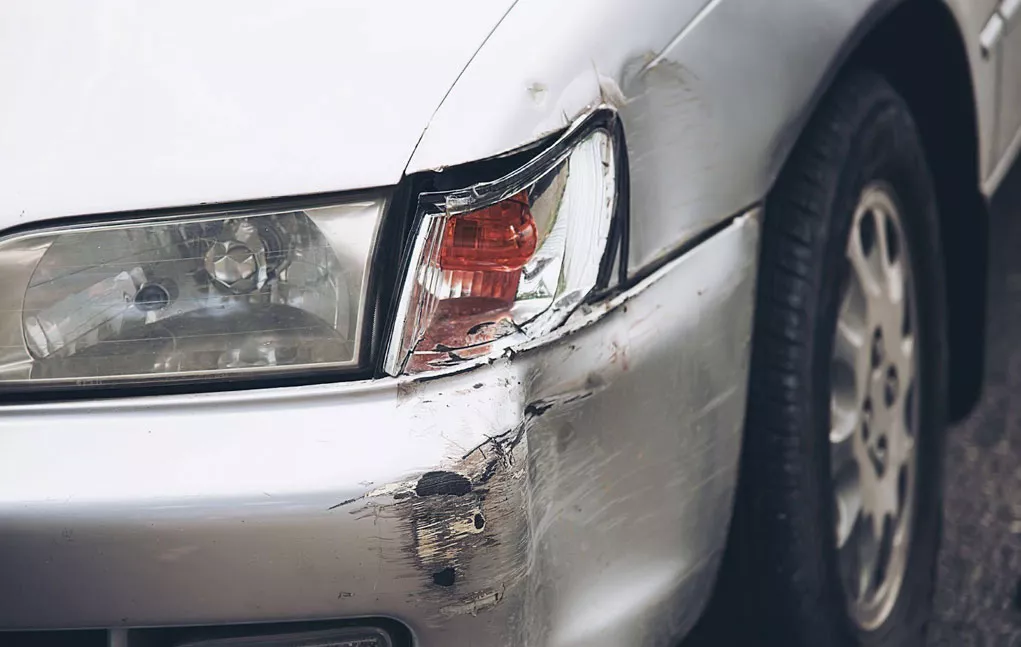
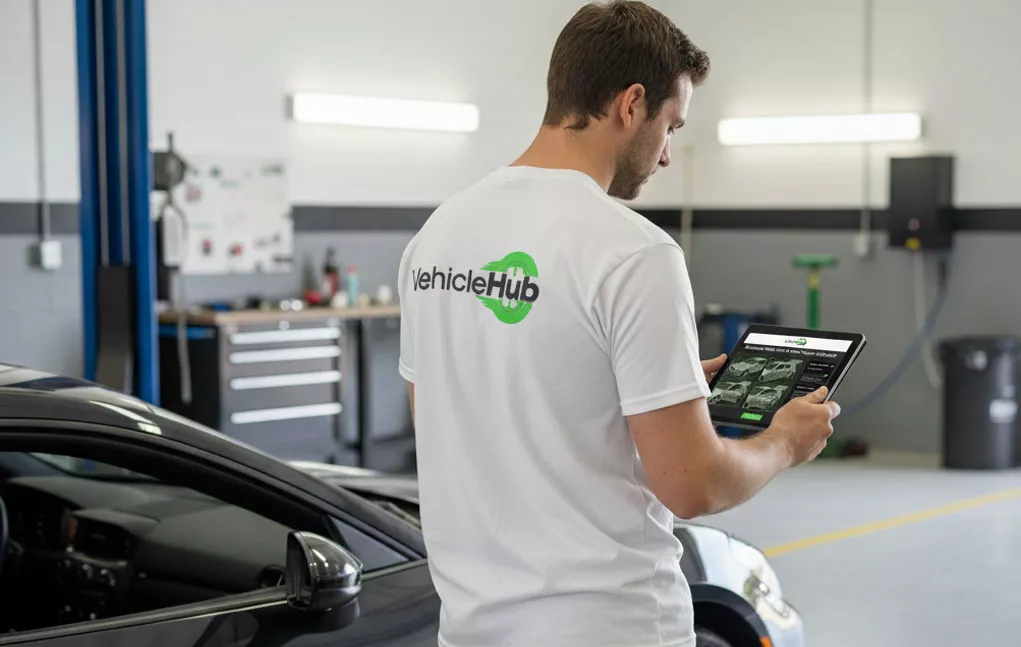
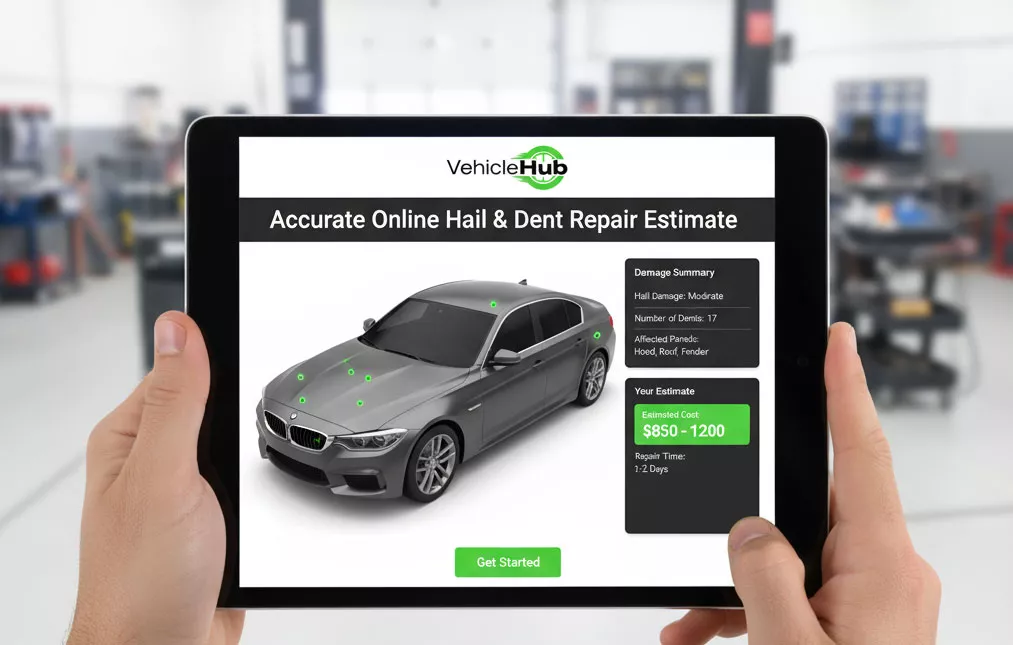
In the fast-paced world of automotive reconditioning, precision is everything. Whether you’re managing a busy paintless dent repair (PDR) shop, chasing hail storms, or serving customers on-site, accurate estimates determine not just profitability — but trust. That’s where modern mobile apps are changing the game. Apps such as Vehicle Hub are transforming the way technicians record, evaluate, and report dent repair estimates. Through the utilization of modern technology, these platforms can minimize the guesswork and errors, and enhance confidence in both professionals and customers. The Need for Greater Accuracy in PDR Estimating Traditionally, PDR estimating relied on manual inspection, experience, and rule-of-thumb pricing. Skilled professionals would visually count dents, estimate sizes, and apply industry matrices by hand — a process that’s subjective and prone to variation. This often leads to differing estimates for the same damage, creating confusion among customers, insurance partners, and technicians. Inconsistent pricing doesn’t just undermine trust — it eats into profit margins. When two techs provide different quotes for identical damage, shops can struggle to standardize pricing, manage profitability, and defend numbers with insurers. Mobile apps are souping up this process by delivering consistent, data-backed evaluations every time. How Mobile Apps Are Transforming Damage Detection? Modern PDR apps use smartphones and tablets as powerful estimating tools in the field. The significant improvements they bring include: 1. Photo-Driven Dent Detection Instead of manually recording damage, technicians capture photographs of the vehicle. Advanced image processing and machine-learning engines examine these photos to identify the number of dents, their size, and the affected panel. This reduces human error and subjective judgment. Apps like Vehicle Hub automate this analysis, enabling techs to generate accurate damage reports with just a few snaps. 2. Standardized Pricing Matrices Many apps embed industry-standard pricing tables (often customizable), which ensures that each estimate adheres to consistent benchmarks. By removing individual interpretation, these matrices ensure that similar damage yields similar pricing — whether it’s processed in the shop or in a remote lot. Vehicle Hub lets users apply both standard and custom pricing tables inside the app, helping businesses maintain consistency and profitability. 3. Instant VIN & Vehicle Data Integration When one scans the VIN or license plate of a vehicle, the information is immediately presented with details about the car, including make, model, and year. This saves a lot of manual data entry and makes sure that all estimates are in the correct specifications of the vehicle, making it more accurate and speeding up the working process. AI and Automation: A Precision Boost Artificial intelligence (AI) isn’t just a buzzword — it’s a giant leap forward for real-world PDR work. AI engines embedded in apps like Vehicle Hub analyze uploaded images and detect damage parameters far faster and more consistently than a human eye alone. These systems calculate dent size, severity, and panel type, and then translate that information into precise cost calculations. This technology eliminates much of the guesswork that used to dominate the estimating process. Instead of jotting down notes and building spreadsheets, recon professionals get accurate estimates in minutes. These AI-driven insights also help technicians defend estimates with customers and insurance carriers, providing photo documentation and time-stamped records that support every number. Greater Productivity & Faster Turnaround Times Accuracy is important, but speed matters too — especially when service counts on customer satisfaction and quick turnaround. Apps reduce hours of administrative work to just a few taps: Create detailed, professional estimate reports. Embed annotated photos directly into estimates. Track damage and job progress from the parking lot to the back office Convert estimates instantly into invoices. With Vehicle Hub’s mobile-first approach, technicians can generate quotes on-site, update job statuses from the shop floor, and review financial reports right from their phones or tablets — no more back-and-forth with paper forms or spreadsheets. Improved Customer Experience & Business Confidence Consistency and clarity in PDR estimating aren’t just beneficial for technicians — they’re a service differentiator for customers too. When clients receive precise, professional estimates backed by accurate photos and standardized pricing, trust grows. They will tend to endorse work and come back to be served again, and also refer others. When there is a good customer experience, it also gives a good picture of your brand. Applications such as Vehicle Hub facilitate the communication process, organize the records of customers, and assist shops in making estimates appear refined and reliable. This professional edge builds confidence, which translates into better conversion rates and repeat business. Integration with Business Operations Beyond accuracy and estimating, leading PDR apps integrate with broader business operations. They assist in managing your whole recon business, including scheduling and CRM, invoicing, and collecting payments. Vehicle Hub provides some functions, such as work orders, customer history, and payment processing, on the same platform, which integrates mobile and back-office operations together. A New Era for PDR Professionals Accurate PDR estimating and damage detection are essential to success in today’s competitive automotive repair environment. Mobile apps bring precision, automation, and consistency to every step of the process — from detecting a dent in the field to presenting an estimate that customers and insurers can trust. Vehicle Hub provides recon professionals with an effective tool that provides the correct and standardized estimates, combines advanced technology with daily routines, and enhances the overall customer experience. With such innovative mobile solutions, technicians have more time to repair better and less time to be involved in administrative overheads, which is a win-win for both businesses and customers.